A clear, fish-first explanation of ammonia, nitrite, and nitrate: how they form, how to test accurately, safe ranges, and step-by-step fixes for dangerous sp...
Freshwater aquarium guidance
10 Warning Signs of a Sick Aquarium Fish (And What to Do Immediately)
Spot illness early with these 10 warning signs, from rapid breathing to clamped fins. Learn what to do immediately, including water tests, quarantine, and safe first steps.

Written by
Oliver Bennett
Oliver Bennett is a lifelong aquarist with over 15 years of experience in freshwater tank setup, aquascaping, and fish health. Through TankRoot, he shares his passion for creating balanced underwater ecosystems, helping hobbyists of all levels build thriving, beautiful homes for their fish.
Published: October 17, 2026
•
Updated: October 17, 2026
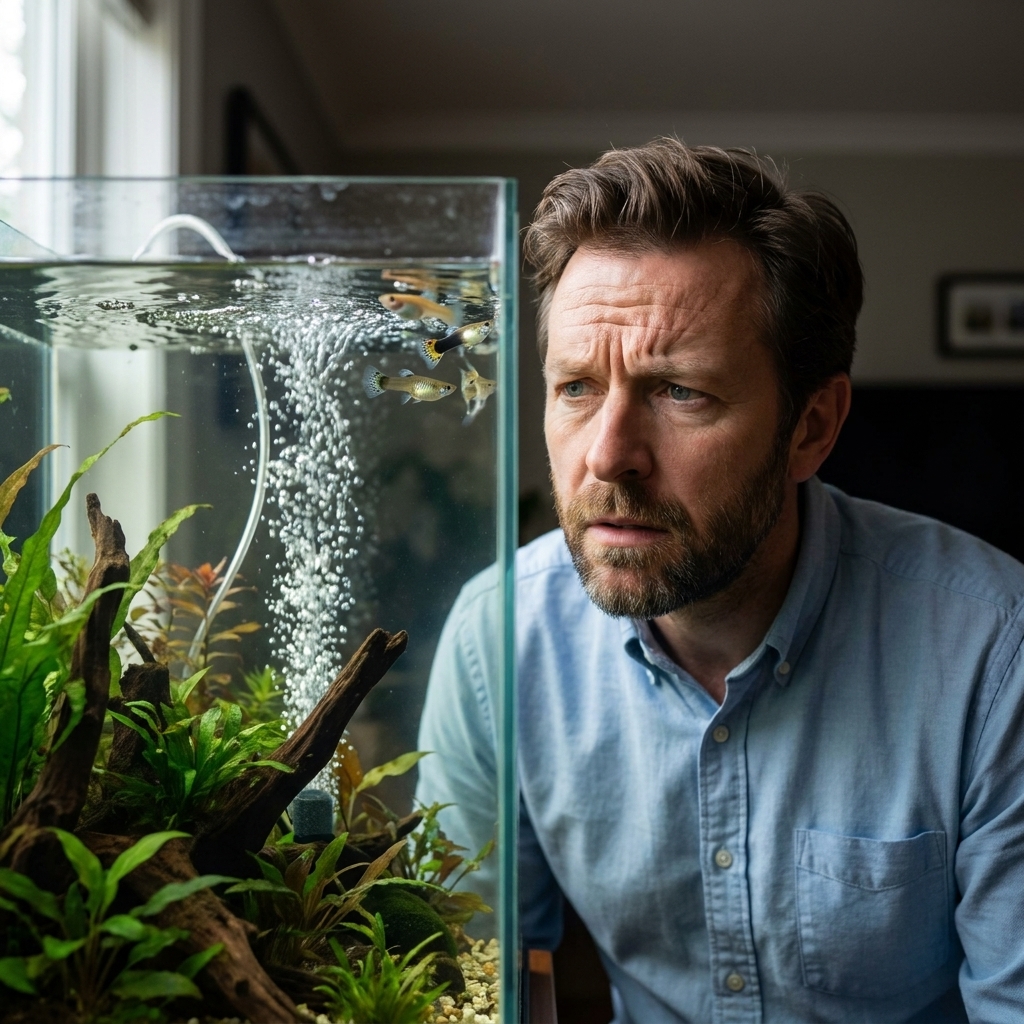
I still remember the first time I watched a fish act a little off and told myself it was probably nothing. It was something. In home aquariums, most disasters start quietly: a fish hangs near the surface, skips a meal, rubs on decor once or twice. If you catch those early clues, you can often prevent a full tank crash.
This checklist focuses on what you can see with your eyes and what you can do right now, without guessing, panicking, or pouring random meds into the water.
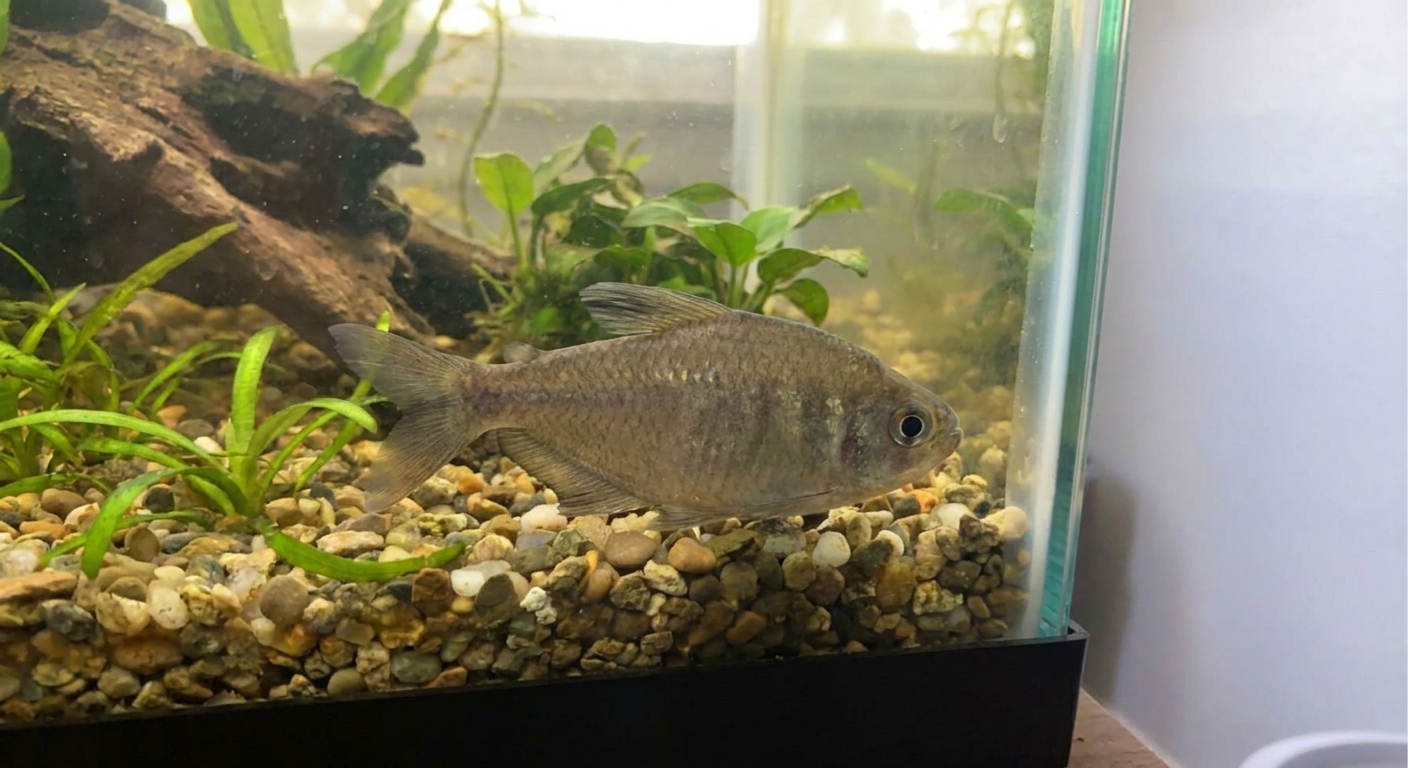
Before you treat: 3 immediate steps
When a fish looks sick, your first job is to stop the clock. These three steps are the safest first moves in almost every situation.
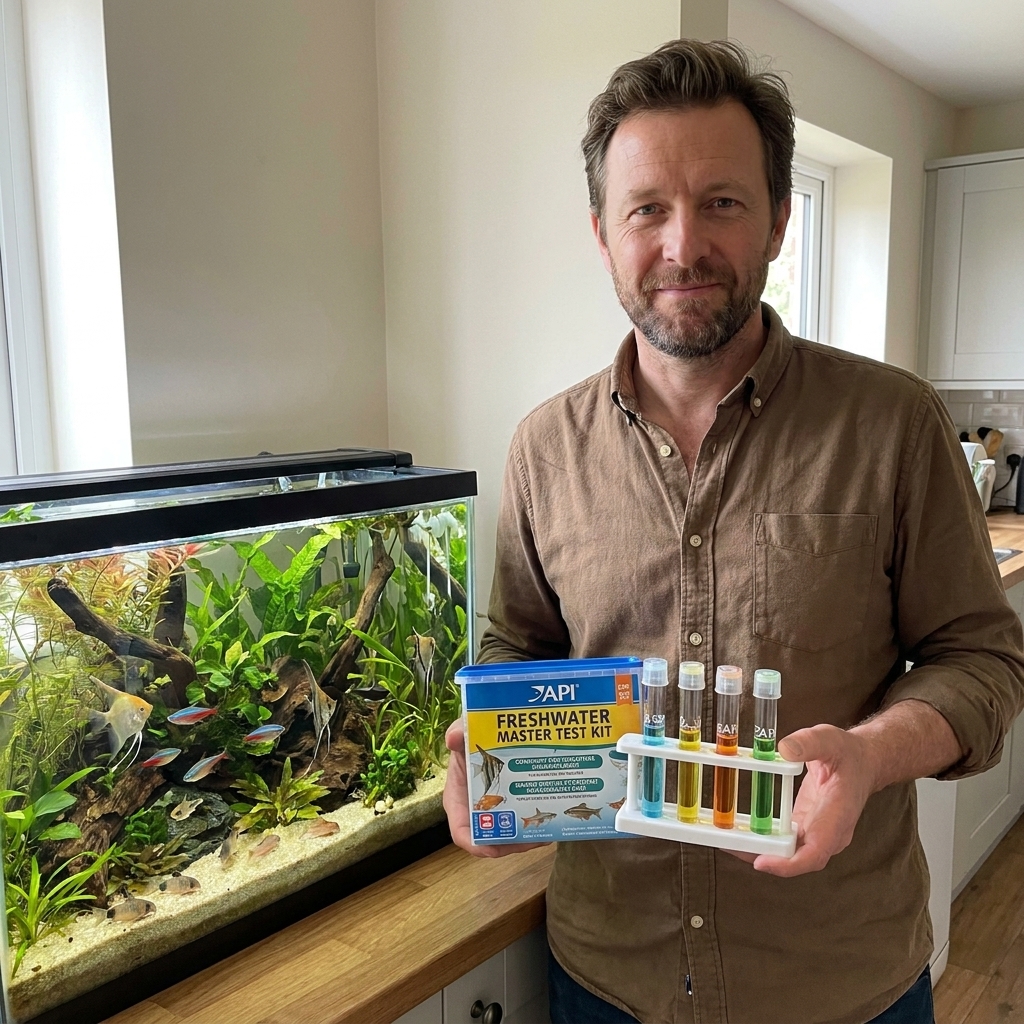
1) Test the water now
If you do nothing else, test:
- Ammonia
- Nitrite
- Nitrate
- Temperature
- pH (helpful context, but less urgent than ammonia and nitrite)
In real life, many “mystery diseases” are actually ammonia or nitrite exposure, or stress from a sudden temperature swing.
2) Do a protective water change if needed
If you get any detectable or confirmed ammonia or nitrite, treat it seriously. Many cycled tanks should read 0 ppm, but some test kits can show trace color that is hard to interpret. When in doubt, retest (and double-check expiration dates and instructions), then act conservatively.
If ammonia or nitrite is above 0, do a 30% to 50% water change with dechlorinated, temperature-matched water.
If nitrate is very high, do a 30% to 50% change as well. As a common hobby guideline, many community tanks aim to keep nitrate under 20 to 40 ppm, while sensitive species may need lower.
Important: Avoid 100% water changes in a panic. Stability matters, and big swings can make a struggling fish worse.
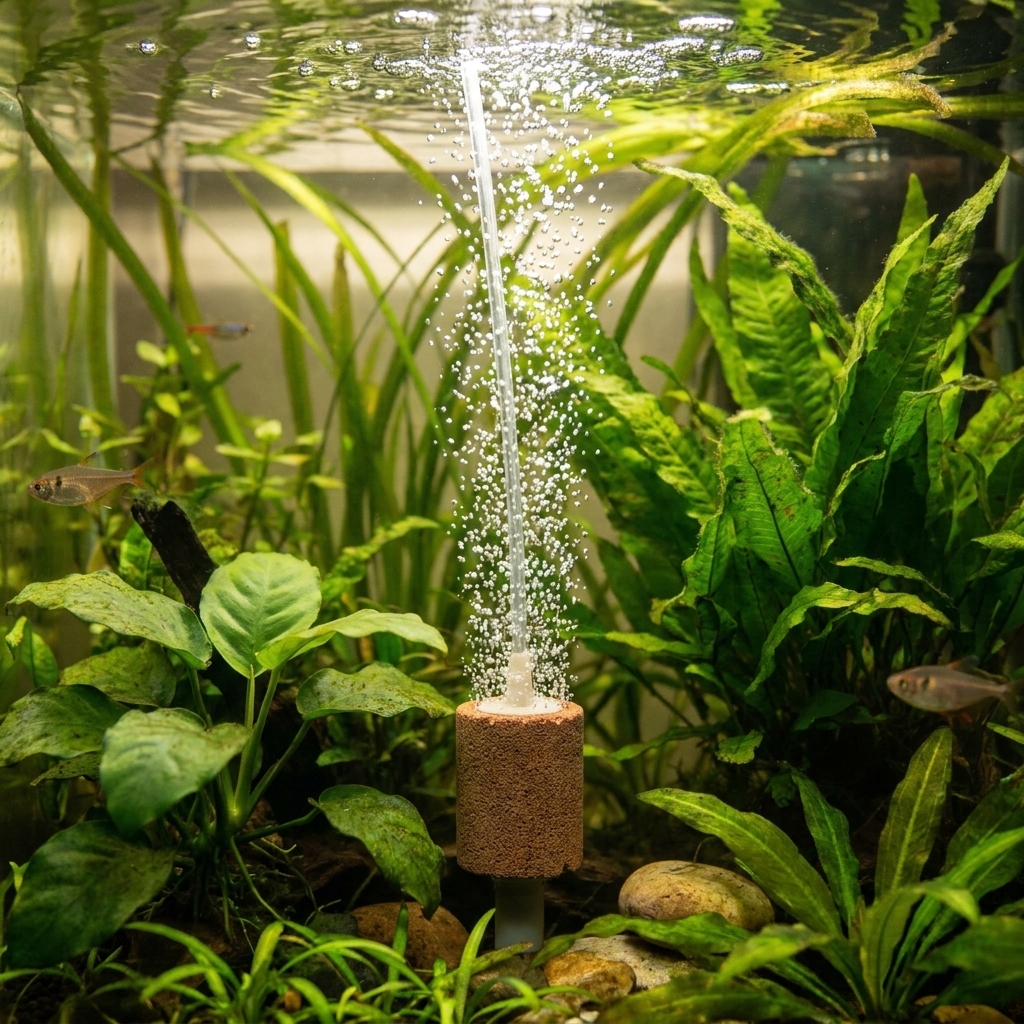
3) Increase oxygen
Many sick fish are oxygen-stressed even when the root issue is something else. Point the filter output toward the surface, add an airstone, or drop the water level slightly to increase surface agitation.
10 warning signs and what to do
Use these as triage. You do not need a perfect diagnosis in minute one. You need safe actions that narrow the problem while protecting the fish.
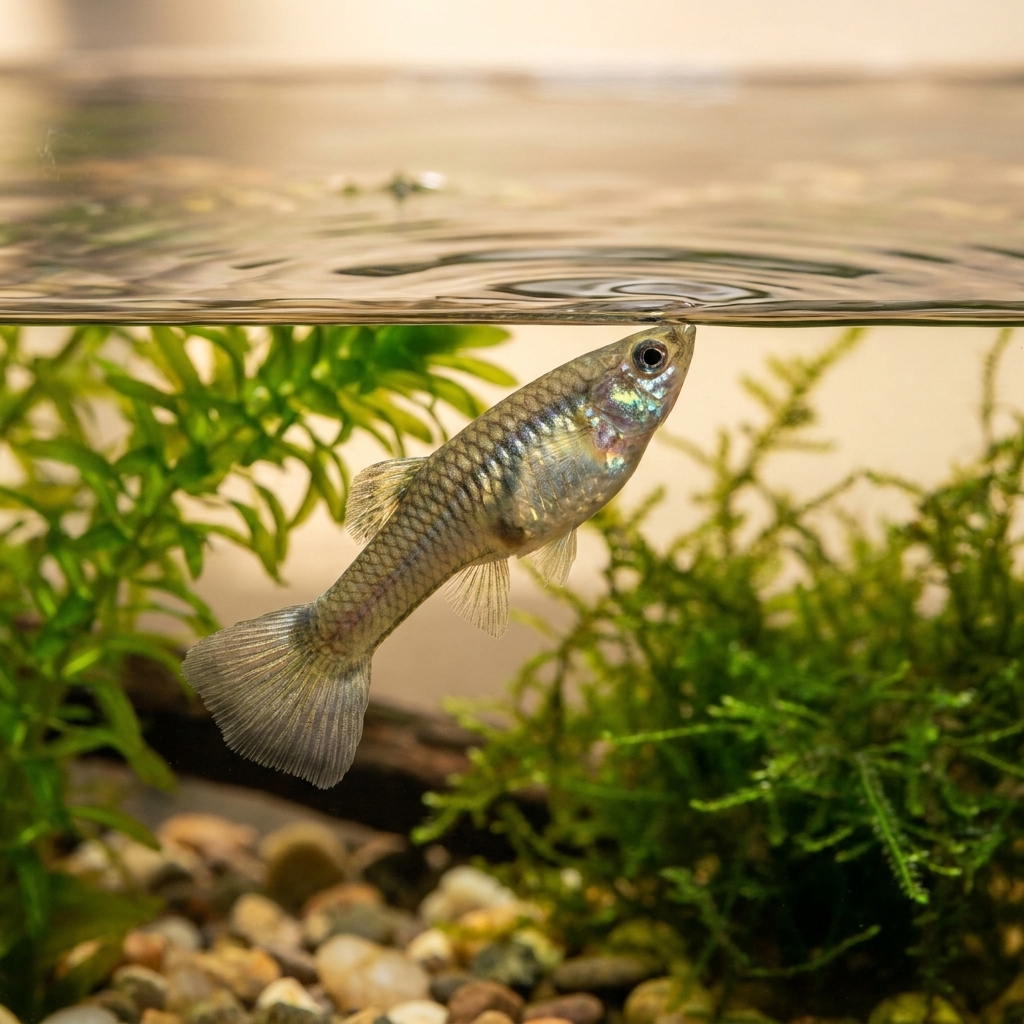
1) Gasping or rapid breathing
What it can mean: Low dissolved oxygen, high ammonia or nitrite, gill irritation from toxins, gill parasites, very high temperature, or severe infection.
Do immediately:
- Increase aeration right away (airstone, surface agitation).
- Test ammonia and nitrite. If either is detectable, do a 30% to 50% water change.
- Check temperature. If it is high for the species, lower it slowly. Slower is safer for sensitive fish, but many keepers aim for changes no faster than about 1°F per hour.
- If multiple fish are gasping, treat it as a tank-wide water quality or contamination emergency, not a one-fish problem.
2) Clamped fins
What it can mean: Stress, poor water quality, bullying, early infection, parasites, temperature problems.
Do immediately:
- Confirm parameters and correct any ammonia or nitrite with a water change.
- Observe social stress: look for chasing, nipping, or a fish being pinned into a corner.
- Dim the lights and reduce disturbance for the day.
- If one fish is being bullied, separate the aggressor or the victim temporarily.
3) Not eating
What it can mean: Stress, internal parasites, constipation, temperature too low, mouth injuries, early bacterial disease, or simply being outcompeted.
Do immediately:
- Check temperature and parameters.
- Watch the feeding moment: is the fish interested but gets pushed away?
- Remove uneaten food to avoid fouling the water.
- Offer a high-quality, easy option (frozen foods for many species, or a soft gel food) once the tank is stable.
If the fish has not eaten for 48 hours and looks thinner, move toward isolation and closer observation.
Species note: Some fish graze, hunt, or eat at night, and some naturally go off food during spawning, pecking-order changes, or shipping stress. Compare to that species normal behavior before you assume disease.
4) Hiding or corner hovering
What it can mean: Stress from aggression, lighting changes, poor water, onset of disease, or a fish that is simply overwhelmed by too much activity.
Do immediately:
- Confirm parameters and correct issues.
- Check for bullying, especially in community tanks with semi-aggressive species.
- Add cover: plants, caves, or wood can reduce stress fast.
- If the fish is isolating and breathing fast, prioritize oxygen and consider a quarantine tank.
5) Flashing
What it can mean: External parasites, gill irritation, ammonia burn, or sometimes skin irritation from poor water quality.
Do immediately:
- Test ammonia and nitrite. Address any detectable reading with a water change.
- Inspect the fish closely for tiny white dots, excess slime, or frayed fins.
- Do not medicate blindly in the display tank if you keep invertebrates or sensitive fish. If possible, move the fish to quarantine for treatment decisions.
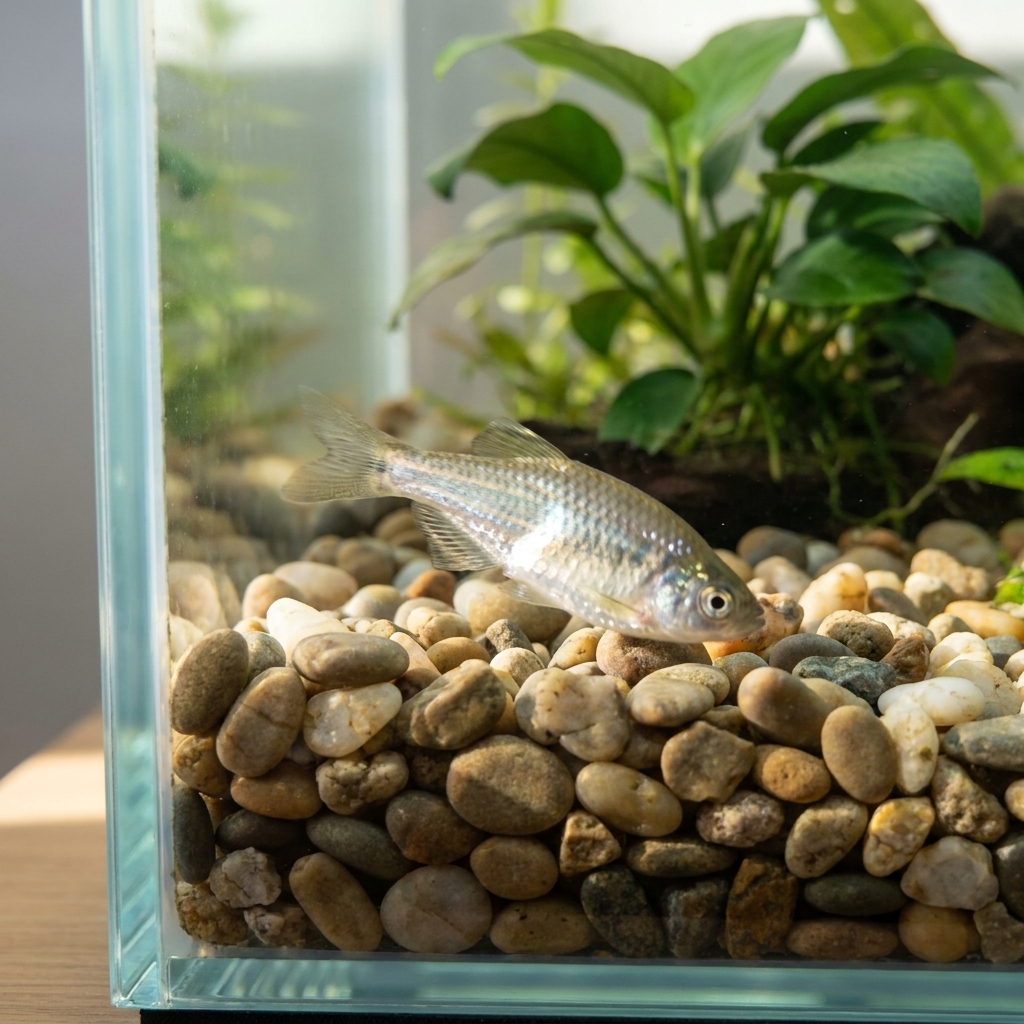
6) White spots like salt
What it can mean: Most commonly ich (Ichthyophthirius multifiliis), though other conditions can mimic spots. Ich usually spreads and more spots appear over a day or two.
Do immediately:
- Stabilize water quality first. Stress feeds outbreaks.
- Quarantine if you can, but know that ich is often already tank-wide by the time you see spots.
- Increase aeration. Ich treatment often involves higher temperatures and or medications that can stress gills, and extra oxygen is a smart safety move.
- Choose one proven treatment path and follow the label precisely (time and dosage matter). Avoid mixing multiple medications.
Important: If your tank contains scaleless fish (loaches, some catfish) or invertebrates, use extra caution with certain meds. When in doubt, treat in a separate tank.
7) Cottony patches
What it can mean: True fungus can occur, but many cottony-looking areas are actually bacterial infections (columnaris is a common suspect) that look like fungus to the naked eye. There are also lookalikes, so do not treat appearance as a guarantee.
Clues that raise suspicion for columnaris: fast progression, mouth erosion, ulcers, or a pale “saddleback” patch behind the head.
Do immediately:
- Isolate the fish if possible. Some infections spread and outbreaks can move fast.
- Check temperature. Some bacterial issues worsen faster in warmer water, and even small increases can change the pace.
- Improve water quality with a moderate water change and gravel vacuum.
- Hold off on random antifungals until you assess whether it is more likely bacterial.
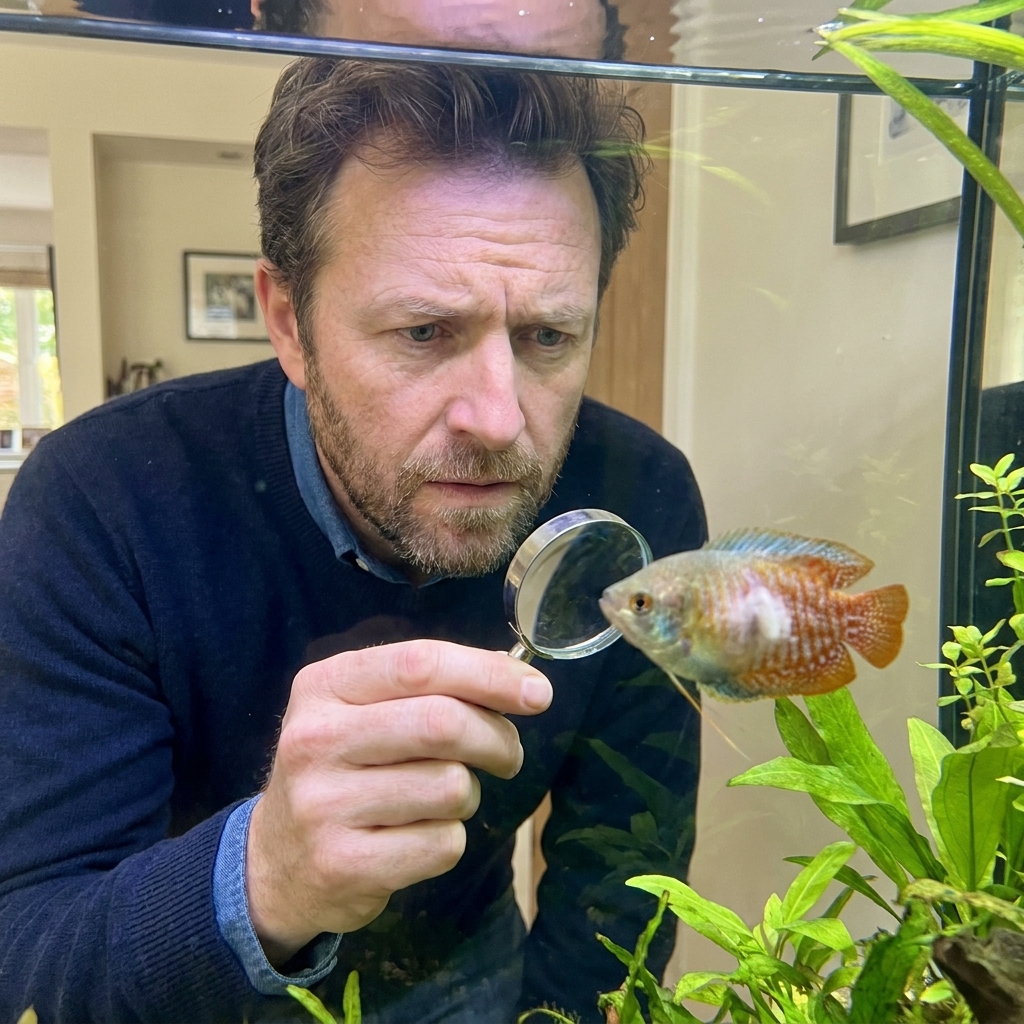
8) Frayed fins or fin rot
What it can mean: Nipping, chronic stress, or bacterial fin rot often fueled by dirty water. Early fin damage can look subtle: pale edges, slight shredding, a tail that seems to shrink.
Do immediately:
- Confirm parameters. Elevated ammonia, nitrite, or chronically high nitrate often correlate with fin issues.
- Do a water change and rinse mechanical filter media in removed tank water (not under the tap).
- Look for a biter. If damage appears overnight and looks torn, suspect aggression more than infection.
- If the fin edge looks inflamed, bloody, or worsening daily, plan for quarantine and targeted treatment.
9) Bloat, pineconing, or stringy poop
What it can mean: Constipation, internal parasites, organ failure, or (in worst cases) dropsy. Pineconing, where scales stick out like a pinecone, is a late-stage symptom and needs urgent action.
Do immediately:
- Pause feeding for 24 to 48 hours. Most healthy adult fish tolerate this well, but use extra caution with very small juveniles, very thin fish, or high-metabolism species.
- Confirm parameters and temperature to reduce stress load.
- Move to a hospital tank for observation. You want to monitor poop, swelling, and behavior without competition.
- If pineconing is present, prioritize supportive care (excellent water, low stress, stable temperature for the species) and understand the prognosis can be poor depending on the cause.
For suspected constipation in some omnivores, a small portion of appropriate, fiber-forward food can help, but only after fasting and only if the fish is otherwise stable.
10) Abnormal swimming
What it can mean: Swim bladder issues, injury, severe stress, poor water quality, internal infection, or neurological problems.
Do immediately:
- Confirm parameters and correct any toxins first.
- Lower the water level slightly in a quarantine tank so the fish can reach the surface with less effort.
- Reduce flow if the fish is being tossed around.
- Fast for 24 to 48 hours if bloating or constipation is suspected.
When to quarantine
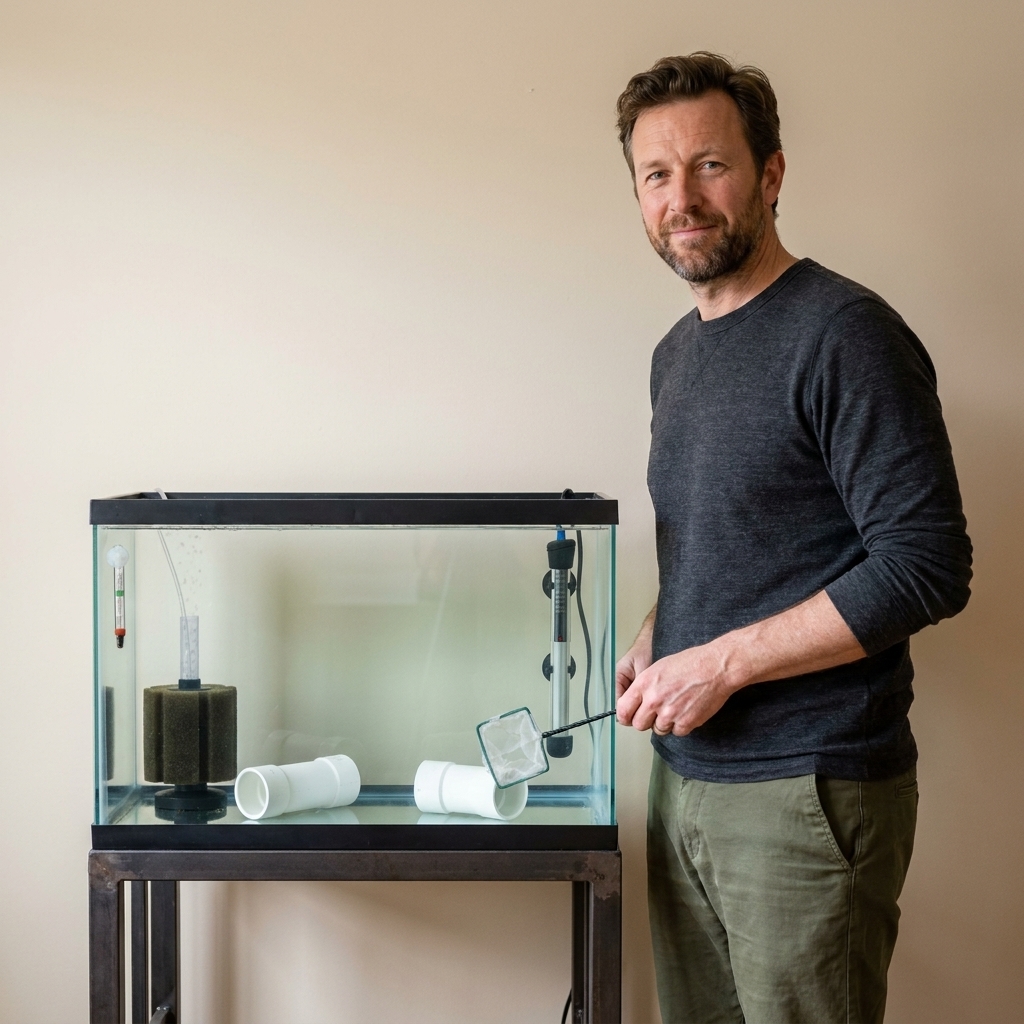
If you can set up a simple hospital tank, you will diagnose and treat faster with fewer casualties. Quarantine is especially helpful when:
- Only one or two fish show symptoms.
- You may need medication that could harm shrimp, snails, or sensitive species.
- You need to watch poop, appetite, breathing, and lesions closely.
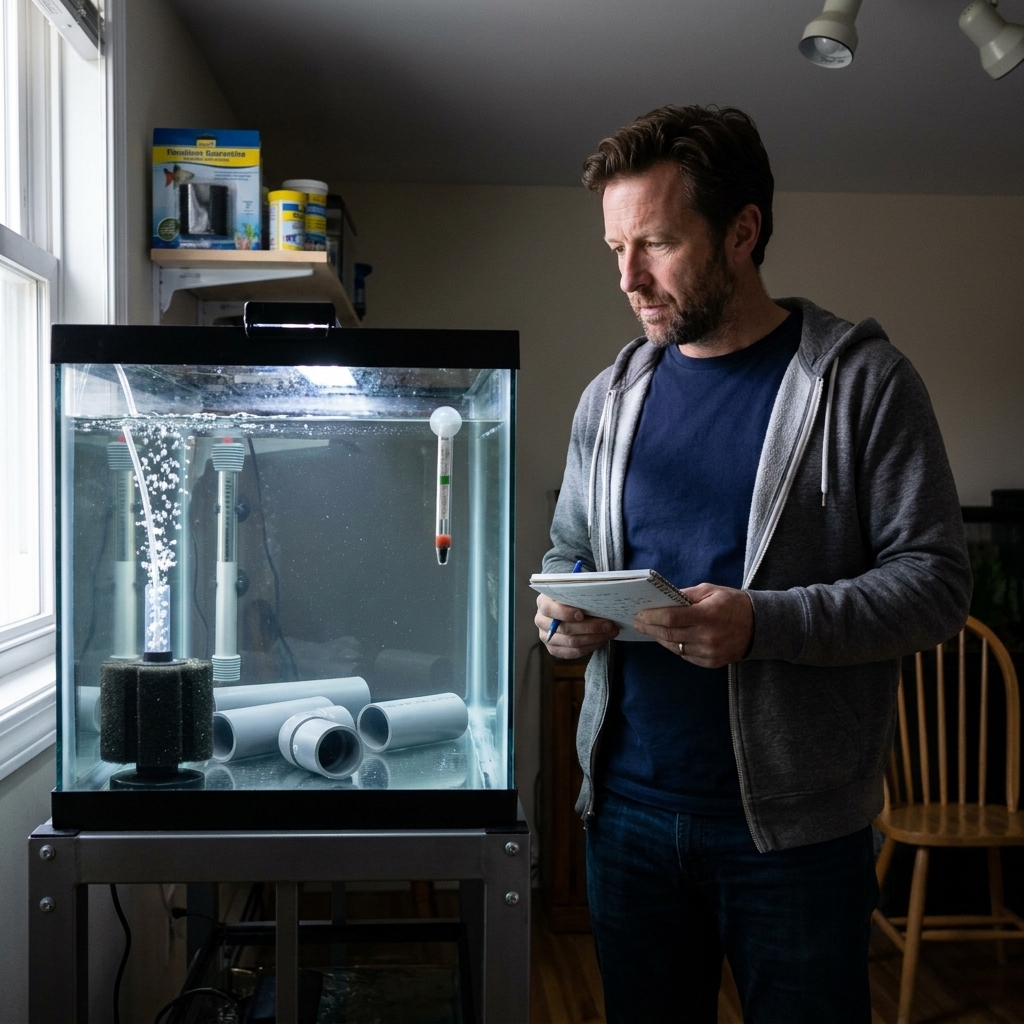
Simple hospital setup: a bare-bottom tank or tub, heater if needed, sponge filter (ideally pre-seeded), airstone, and a couple of inert hiding places like PVC or a small cave. Keep lighting low.
Sudden tank-wide problems
If several fish look bad at once, think bigger than disease. Two common culprits are water chemistry shocks and contamination.
Possible contamination sources
- Cleaning sprays, air fresheners, paint fumes, or bug sprays in the room
- Soap or detergent residue on buckets, nets, hands, or tools
- New decor, rocks, or driftwood that was not rinsed or soaked
- Accidental overdosing of fertilizers, medications, or CO2 changes in planted tanks
Chlorine and chloramine mistakes
If fish start gasping soon after a water change, double-check that you used a proper dechlorinator and dosed for the full tank volume. Chlorine and chloramine can irritate gills fast. When in doubt, add the correct dose of dechlorinator, increase aeration, and do a partial water change with properly treated water.
What to check first
- Breathing fast or gasping? Oxygen + ammonia and nitrite test + water change if needed.
- Multiple fish affected at once? Treat as water quality, temperature swing, or contamination first.
- Visible spots or fuzz? Stabilize water, then decide on quarantine and targeted meds.
- One fish hiding or shredded fins? Investigate aggression and tankmates, then water quality.
What not to do
- Do not add multiple medications at the same time to cover everything.
- Do not ignore ammonia or nitrite because the fish looks diseased. Toxins create disease-like symptoms and weaken immunity.
- Do not scrub your filter media clean under tap water during a crisis. Protect your beneficial bacteria.
- Do not chase the fish around the tank repeatedly to inspect it. Stress compounds illness.
FAQ
How fast can a fish go from fine to critical?
With ammonia or nitrite exposure, it can be hours. With many infections, you may have days. That is why confirming parameters and improving oxygen are my first moves.
Should I always do a water change when a fish looks sick?
If your parameters are unknown, a moderate, temperature-matched water change is usually a safe protective step. The exception is when you are mid-treatment with a medication that requires a stable concentration. In that case, follow the medication directions for water changes and redosing.
Is aquarium salt a safe first response?
Sometimes, but not always. Salt can stress salt-sensitive fish and many live plants. It can also complicate later medication choices. I prefer to start with water quality, oxygen, and quarantine. If you use salt, dose carefully for the species and measure accurately.
The calm takeaway
You do not have to become a fish disease detective overnight. When you spot any of the warning signs above, focus on what you can control immediately: clean water, stable temperature, high oxygen, and reduced stress. Those basics buy you time, and time is what saves fish.
If you are still unsure, write down your species, tank size, temperature, ammonia, nitrite, nitrate, pH, and a clear timeline of symptoms. Use that information when you reach out to a local aquatic veterinarian (when available) or a reputable fishkeeping community. The right details make it much easier to narrow the likely causes and choose the safest next step.