A calm, actionable emergency plan to detoxify ammonia fast, keep fish breathing, and fix the root cause so the spike does not return.
Freshwater aquarium guidance
How to Set Up a Quarantine Tank for Freshwater Fish
Set up a simple quarantine or hospital tank that prevents disease and supports recovery. Equipment list, quick setup steps, cycling options, and a practical 2 to 4 week routine.

Written by
Oliver Bennett
Oliver Bennett is a lifelong aquarist with over 15 years of experience in freshwater tank setup, aquascaping, and fish health. Through TankRoot, he shares his passion for creating balanced underwater ecosystems, helping hobbyists of all levels build thriving, beautiful homes for their fish.
Published: October 17, 2026
•
Updated: October 17, 2026
If you have ever lost a “perfectly healthy” new fish in the first week, you have already met the reason quarantine tanks exist. Many freshwater diseases do not announce themselves at the store. Signs can be subtle, and stress from transport lowers immunity. Parasites can bloom, and a single new arrival can turn a stable community into a treatment project fast.
A quarantine tank (QT) is simply a small, controlled environment where you can observe, feed well, and treat safely without exposing your display tank, your plants, or your beneficial bacteria to unnecessary risk. It does not need to be fancy. It needs to be predictable.
What a quarantine tank is for (and what it is not)
A good QT does three jobs:
- Protects your main tank by isolating potential pathogens and parasites.
- Reduces stress so new fish can settle, eat, and regain condition.
- Gives you control over meds and water quality without harming plants, shrimp, snails, or biofiltration in your display.
It is not meant to be a “second aquarium” with aquascaping, nutrient-rich substrate, and delicate livestock. The more complicated it is, the harder it is to clean, observe, and dose accurately.
Quarantine tank sizes (simple rule of thumb)
You do not need a massive tank, but you do need enough water volume to keep ammonia stable.
- Small community fish (tetras, rasboras, guppies): 10 gallons is the sweet spot.
- Dwarf cichlids, larger livebearers, small gourami: 15 to 20 gallons is safer.
- Medium fish (angelfish, small rainbowfish, juvenile cichlids): 20 gallons long if possible.
If you only keep nano fish, a 5 gallon QT can work, but it demands excellent testing and frequent water changes. For most households, a 10 gallon setup is the best balance of cost, stability, and convenience.
Quarantine tank equipment checklist
This is the bare-bones kit I recommend because it is reliable, easy to disinfect, and compatible with most medications.
The essentials
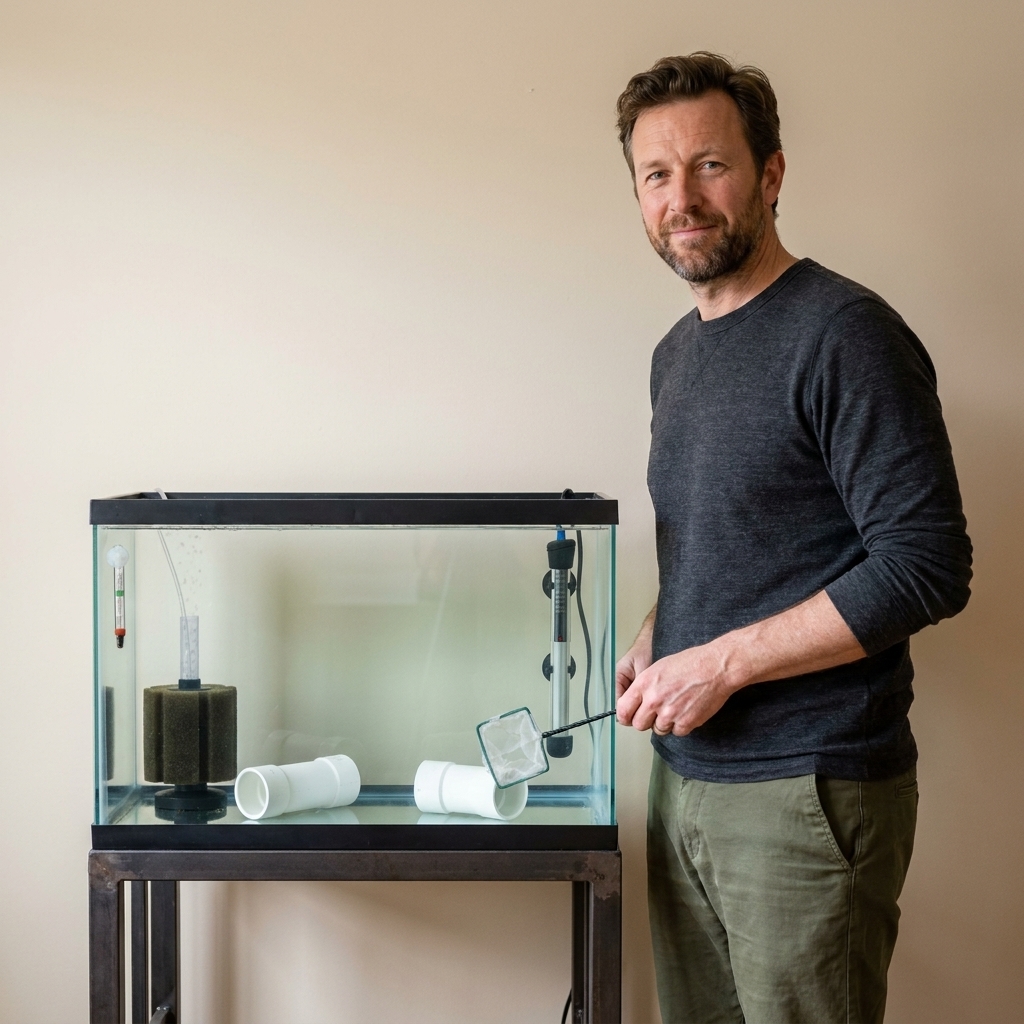
- Tank (preferably with a lid): fish jump when stressed or sick.
- Heater sized appropriately: stable temperature is recovery fuel.
- Thermometer: do not trust heater dials.
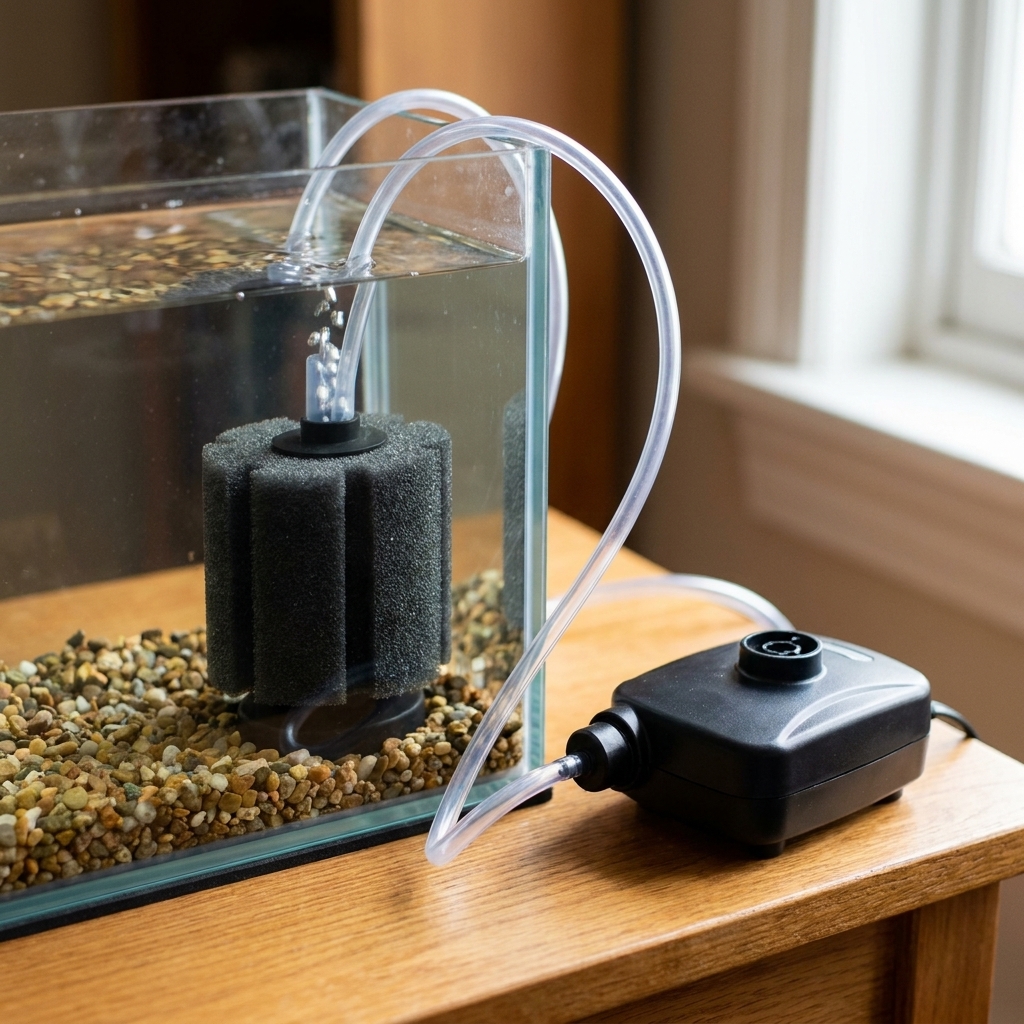
- Sponge filter plus an air pump: gentle flow, strong oxygenation, and easy to medicate around.
- Airline tubing and a check valve (cheap insurance against back-siphon).
- Light (optional): ambient room light is often enough, but a simple light helps with observation.
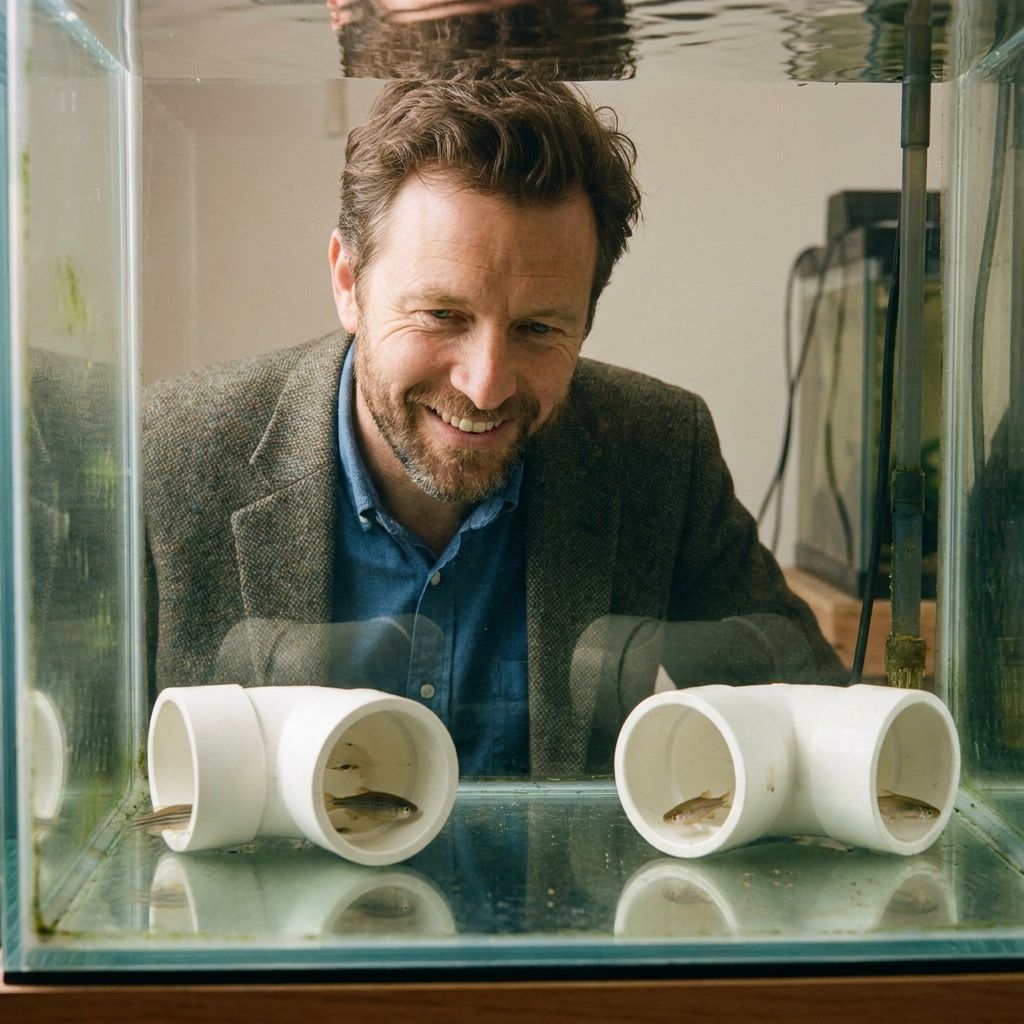
- Hiding places: PVC elbows, short sections of pipe, or a plastic plant.
- Water conditioner that detoxifies chlorine and chloramine.
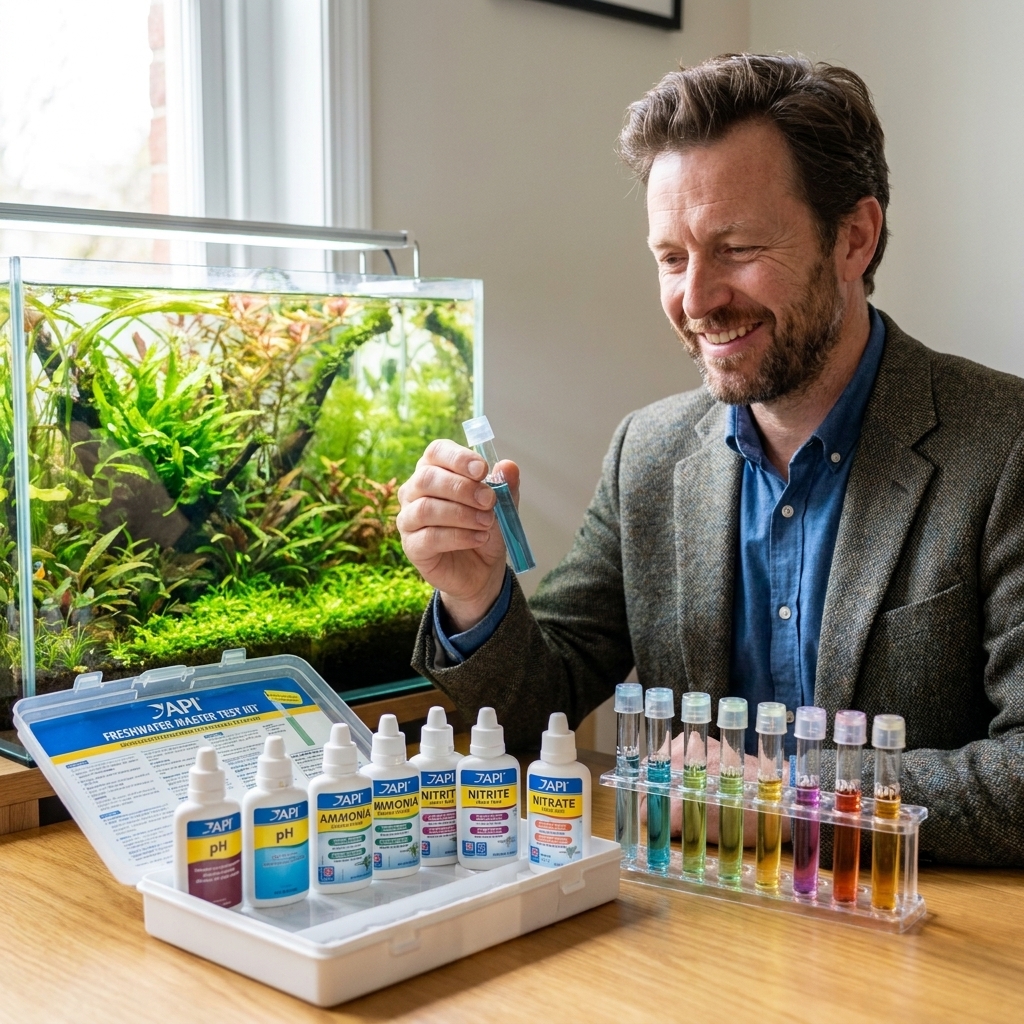
- Liquid test kit for ammonia, nitrite, nitrate: in QT, numbers matter more than vibes.
Strongly recommended
- Dedicated siphon, bucket, and net for the QT: this prevents cross-contamination.
- Ammonia alert badge (as a backup to testing): not perfect, but useful.
- Small powerhead or extra airstone if you medicate: many meds reduce oxygen or make breathing harder.
Skip these in most quarantine tanks
- Substrate: traps waste and makes meds harder to manage.
- Driftwood and rocks: complicate cleaning and can absorb stains from meds.
- Activated carbon: removes many medications. Great for cleanup after treatment, not during.
Step-by-step: setting up the tank (30 to 60 minutes)
1) Choose a calm location
Pick a spot away from direct sun, drafts, and heavy foot traffic. Fish in quarantine are already stressed. A quiet corner helps them eat sooner and recover faster.
2) Set up bare-bottom with simple cover
Leave the bottom glass bare so you can spot waste, uneaten food, and suspicious poop. If you want to reduce reflections, place a dark towel or mat under the tank.
3) Install heater and sponge filter
Place the heater near the sponge filter outflow so warm water circulates. Add an airstone if the sponge filter is not producing strong surface agitation.
4) Fill with dechlorinated water
Match temperature closely to where the fish are coming from. As a practical target, try to be within 1 to 2°F (0.5 to 1°C). If you are moving fish out of your display because they are sick, match the display tank temperature to avoid stacking stress on top of illness.
5) Add hiding spots
A couple of PVC elbows or pipe sections go a long way. Fish that feel secure show clearer behavior and recover faster.
6) Let it run and stabilize
Give the heater 20 to 30 minutes to settle and confirm the thermometer reading. Check that the air pump is running smoothly and the lid fits securely.
How to cycle a quarantine tank
The biggest QT failure is ammonia. Sick fish are already fighting for oxygen and osmoregulation. Ammonia burns gills and turns a treatable problem into a crisis.
You have three workable paths. Pick the one that matches your situation.
Option A: Seeded sponge filter (best and easiest)
Keep an extra sponge filter running in your display tank or sump full-time. When you need a QT, move that sponge filter over and you start with an established bacterial colony.
- Pros: most stable, minimal ammonia spikes.
- Cons: requires planning ahead.
Option B: Borrow media from your display (good, but be careful)
If your display tank is healthy, you can move some established biomedia into the QT filter. If your display is actively dealing with disease, do not move media back and forth.
- Pros: quick stability.
- Cons: can transfer pathogens if your display is the source of the problem.
Option C: Fish-in QT with aggressive water changes (works in emergencies)
Sometimes you have to set up QT today. In that case, assume the tank is uncycled and manage it like a controlled environment:
- Test ammonia and nitrite daily, twice daily if medicating heavily or feeding a lot.
- Do 25 to 50% water changes as needed to keep ammonia and nitrite at 0.
- Feed lightly at first. More food equals more waste.
Important: Many bottled bacteria products can help, but they are not a guarantee. Treat them as support, not a replacement for testing.
Temperature, aeration, and stress
Keep temperature steady
Stability beats “perfect” numbers. Rapid swings of a few degrees, especially 2 to 3°F (1 to 1.5°C), can be enough to tip an already-stressed fish into trouble. Use a reliable heater and confirm with a thermometer.
Prioritize oxygen
Quarantine tanks are often run warmer, and they are often medicated. Warm water holds less dissolved oxygen, and some medications can stress gills or reduce oxygen availability. Aim for obvious surface movement. If fish are gulping at the surface, add more aeration immediately.
Dim lighting and provide cover
Bright light and a bare tank can make fish feel exposed. Keep lighting low and give a couple of hiding places so they can calm down and start eating.
Quarantining new fish: a 2 to 4 week routine
For most community fish, I like 2 to 4 weeks of quarantine. Two weeks is the minimum I consider “real quarantine.” Four weeks catches more slow-burn issues like internal parasites or latent bacterial infections.
Day 1 to 3: settle and observe
- Acclimate gently and keep lights low.
- If the bag water is fairly clean and the fish are stable, temperature acclimation plus small tank-water additions is usually sufficient. Drip acclimation is more useful for sensitive fish or large parameter differences, but do not drag it out in dirty shipping water.
- Offer small meals and remove uneaten food after a few minutes.
- Watch for rapid breathing, flashing, clamped fins, heavy slime coat, white spots, frayed fins, stringy white feces, or a refusal to eat.
Week 1 to 2: build strength
- Feed high-quality staple food, plus a frozen food option if appropriate.
- Do routine water changes (often 25 to 40% every 2 to 3 days in small QTs).
- Test ammonia and nitrite regularly even if the tank is seeded.
Week 3 to 4: confirm stability
- Continue observation and good water quality.
- Only consider moving fish to the display after they have been symptom-free and eating well.
Do you need to prophylactically medicate new fish? It depends. Observation-only is the safest default for beginners, especially if you do not know how to identify common diseases yet. Prophylactic treatment can make sense if you have a known high-risk source or a consistent issue in your area, but it should be done with a plan, strong aeration, and daily testing so you do not trade “possible parasites” for “guaranteed ammonia damage.”
One more guardrail: Some fish are more sensitive to common medications. Scaleless fish like many loaches, and some catfish, often need extra caution with dosing. When in doubt, verify species tolerance and start conservatively.
Using the quarantine tank as a hospital tank
When a fish is already sick, the goal is to create the cleanest, calmest environment possible so treatment works.
1) Make water quality your first medication
Before you reach for a bottle, check:
- Ammonia: 0
- Nitrite: 0
- Nitrate: a practical target is under 20 to 40 ppm during quarantine
- Temperature: stable and appropriate for the species
Many “mystery illnesses” are actually chronic stress from poor water and unstable temperature.
2) Remove chemical filtration during treatment
Take out activated carbon or chemical resins so they do not strip medication. Keep sponge filtration running for oxygenation and biofiltration.
3) Dose by the true water volume
Measure how much water the tank actually holds after equipment is in place. A “10 gallon” tank might contain 8 to 9 gallons in reality. Accurate dosing is safer and more effective.
4) Increase aeration
This is non-negotiable for many meds, especially at warmer temperatures. Add an extra airstone if you can.
5) Keep feeding light, but consistent
If the fish will eat, offer small, nutrient-dense meals. If they will not eat, focus on pristine water and correct treatment rather than polluting the tank with uneaten food.
Cross-contamination rules
If the point of quarantine is disease control, your tools need quarantine too.
- Do not share nets between QT and display.
- Do not share siphons or buckets without disinfecting.
- Wash hands and forearms between tanks, especially after handling sick fish.
- Keep QT water out of the display. Avoid moving wet decor or media back and forth.
If you only remember one thing: a single wet net can undo your entire quarantine routine.
Cleaning and resetting a quarantine tank
After a quarantine run or a hospital case, reset the tank so it is ready for the next time you need it.
After routine quarantine (no illness observed)
- Drain the tank, rinse equipment with warm water, and air dry thoroughly.
- If you use a seeded sponge filter approach, return the sponge to the display or keep it running in a separate “seed” container with an air stone.
After treating a contagious disease
Disinfecting is smart, but do it safely.
- Use a diluted unscented bleach solution to soak non-porous equipment, then rinse very well and dechlorinate.
- Let everything air dry completely. Many pathogens do poorly with full drying.
- Replace disposable items that are hard to disinfect thoroughly (like some airline tubing if it is cheap and grimy).
Never mix cleaners, and never disinfect anything while fish are present. If you are unsure about a method, default to hot water, thorough rinsing, and complete drying.
Common quarantine mistakes
“It’s just a temporary tank, so I skipped the heater.”
Temperature swings are a huge stressor. Use a heater and thermometer even for short quarantines.
“I used a tiny tank to save space.”
Small volumes spike ammonia faster. A 10 gallon QT is often easier to maintain than a 5 gallon.
“I kept it too clean to cycle.”
A sterile QT with no seeded media becomes an ammonia factory the moment you feed. Either seed the filter or commit to daily testing and water changes.
“I treated the whole display instead.”
It is tempting, but it can wipe out plants, harm inverts, and stress healthy fish. A QT lets you treat precisely and protect your main ecosystem.
FAQ
How long should I quarantine new freshwater fish?
Two weeks minimum, and four weeks is even better if you can manage it. The longer window catches more slow-developing problems.
Can I use water from my display tank to fill the quarantine tank?
You can, but it does not “transfer a cycle” by itself. Beneficial bacteria live mostly on surfaces (filter media, substrate, decor), not floating in the water column. If the display tank might be sick, using its water can also import the problem.
Should I quarantine plants and snails too?
If you want maximum biosecurity, yes. Plants and snails can carry hitchhikers like ich cysts in wet debris, planaria, or snail eggs. A separate plant-only holding container is often easier than putting plants into a fish QT that may need meds.
Do I need a quarantine tank if I only buy one fish at a time?
That is exactly when a QT helps most. One fish can still bring in parasites or disease, and a small purchase feels “safe” right up until it is not.
What is the simplest quarantine tank that still works?
A 10 gallon tank with a lid, heater, sponge filter with air pump, thermometer, PVC hiding spots, dechlorinator, and a liquid test kit. If you add one “luxury,” make it a second seeded sponge filter you keep running all the time.
The mindset that makes quarantine easy
Quarantine is not about fear. It is about giving every new fish a calm landing zone and giving yourself a controlled place to solve problems. Once you have a QT ready to go, fishkeeping gets quieter. Fewer emergencies. Fewer guesswork treatments. More time enjoying the tank you built.
If you only take one action today, let it be this: put a spare sponge filter in your main tank right now. Future-you will be very grateful.