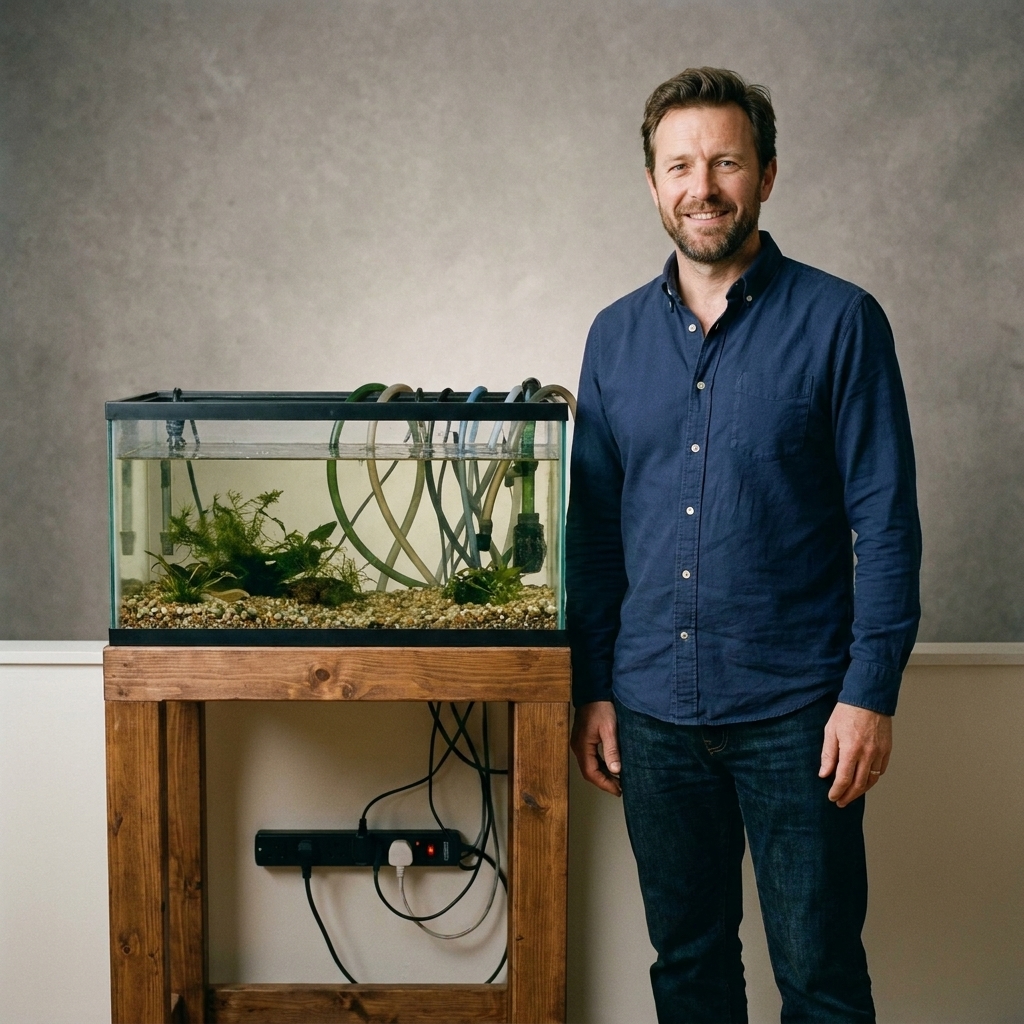
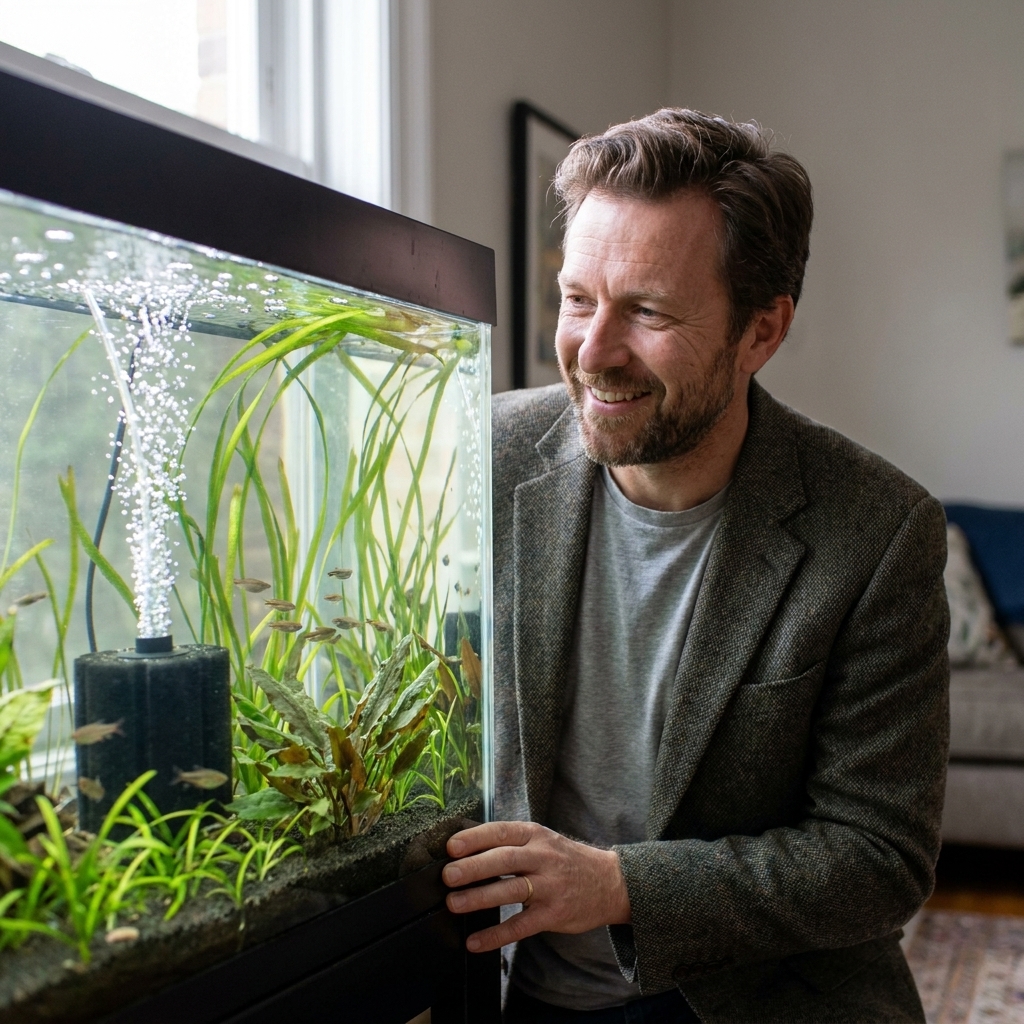
A practical breakdown of aquarium water test kits and the parameters that keep freshwater fish safe: ammonia, nitrite, nitrate, pH, KH, GH, plus when to test...
Freshwater aquarium guidance
How to Cycle a Freshwater Aquarium
Learn how to cycle a freshwater aquarium safely using a fishless method. Step-by-step nitrogen cycle instructions, test targets, timelines, and common mistakes to avoid.

Written by
Oliver Bennett
Oliver Bennett is a lifelong aquarist with over 15 years of experience in freshwater tank setup, aquascaping, and fish health. Through TankRoot, he shares his passion for creating balanced underwater ecosystems, helping hobbyists of all levels build thriving, beautiful homes for their fish.
Published: October 17, 2026
•
Updated: October 17, 2026
I still remember my first tank at ten years old. A tiny bowl, a carnival goldfish, and the confident advice that I could “just change the water when it looks dirty.” What I did not understand yet was that most fish losses in new aquariums are not random at all. They are chemistry.
Cycling a freshwater aquarium is the process of growing beneficial bacteria that convert toxic fish waste (ammonia) into less harmful compounds. Once that biological filter is established, your tank becomes dramatically more stable, and fishkeeping stops feeling like a daily emergency.
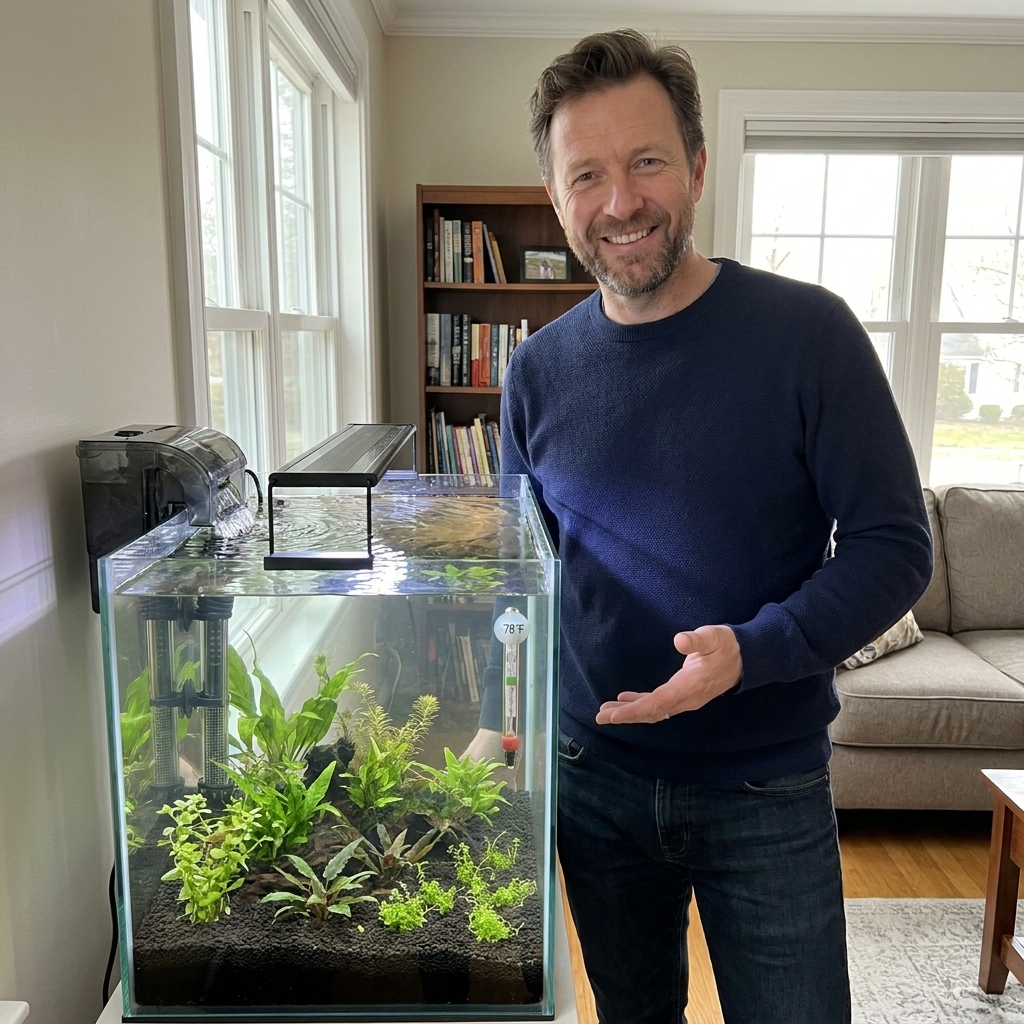
This guide walks you through a safe, reliable fishless cycle step by step, plus the exact test results to look for before you add fish.
What cycling means
In a cycled aquarium, a colony of nitrifying bacteria lives primarily on surfaces with oxygen-rich water flow, especially your filter media. These bacteria run the nitrogen cycle:
- Ammonia (NH3/NH4+) comes from fish poop, rotting food, and decaying plant matter. It is highly toxic.
- Nitrite (NO2-) is produced when bacteria consume ammonia. Nitrite is also highly toxic.
- Nitrate (NO3-) is produced when different bacteria consume nitrite. Nitrate is much safer at low to moderate levels and is removed with water changes and plant growth.
When people say “new tank syndrome,” they are usually describing a tank that has not finished this process yet. Ammonia and nitrite spike because the bacteria are not present in enough numbers to keep up.
Quick note on ppm: Most hobby test kits report results in ppm, meaning parts per million. For our purposes, it is simply the number your test chart gives you.
Before you start
Must-haves
- A working filter with sponge, ceramic rings, or other porous media (this is where bacteria live).
- A heater for tropical tanks (cycling is often faster and more stable around 77 to 82 F, or 25 to 28 C).
- A liquid test kit for ammonia, nitrite, and nitrate. Test strips are often too vague for cycling.
- A dechlorinator that treats chlorine and chloramine.
- An ammonia source for fishless cycling (details below).
Nice to have
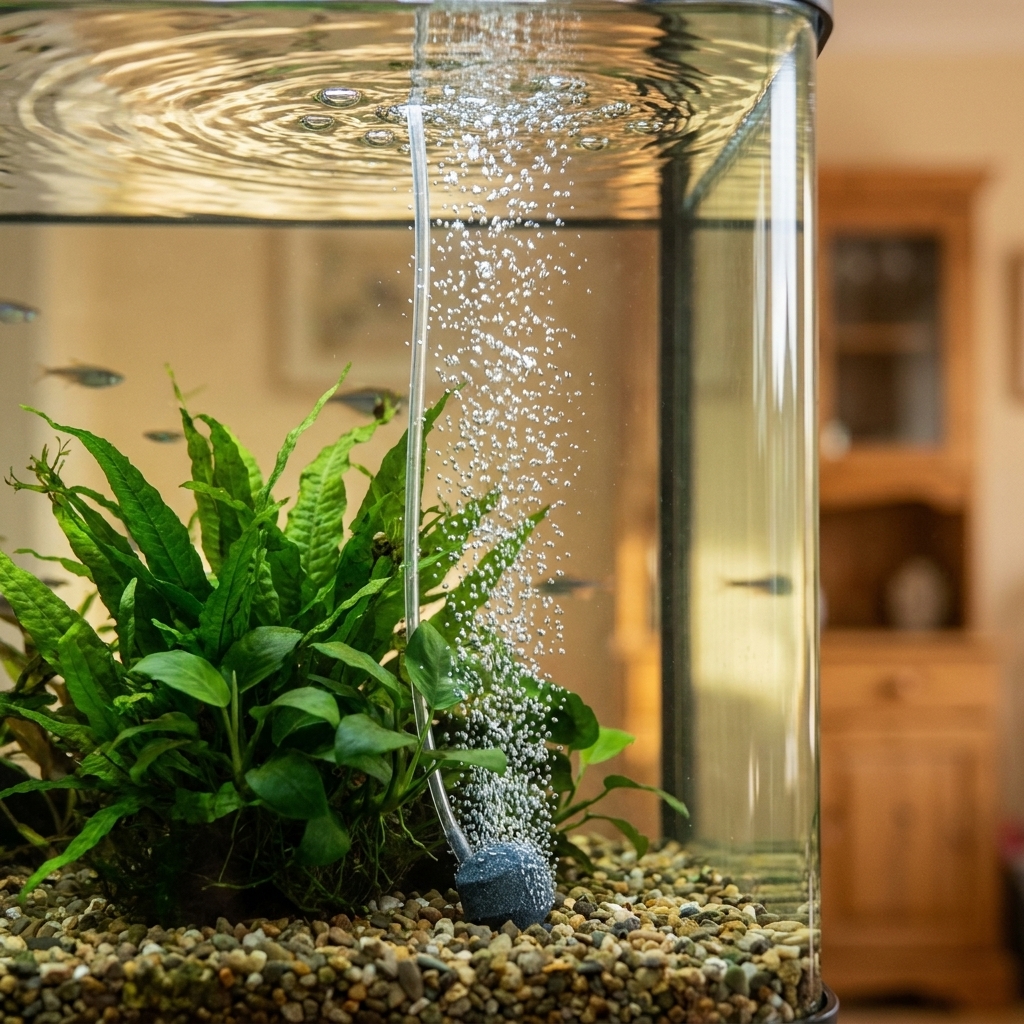
- Air stone or strong surface agitation for extra oxygen (nitrifying bacteria love oxygen).
- Bottled bacteria from a reputable brand. It can help seed the tank, but results depend on freshness and storage. Old or overheated bottles may do very little.
- Live plants, which help consume ammonia and nitrate and add stability.
Skip these traps
- “Instant cycle” promises without testing. Some products are fine as bacterial seed, but none replace a test kit and time.
- Over-cleaning the filter. During cycling, your filter media is your future biofilter. Treat it gently.
- Fish-in cycling on purpose. It is doable, but it is stressful and risky for fish, and beginners tend to get blindsided by spikes.
One helpful baseline test
Before you start chasing numbers, test your tap water for ammonia, nitrite, and nitrate. Some water supplies treated with chloramine can show a small ammonia reading after dechlorinator, and knowing your baseline prevents a lot of confusion later.
Fishless cycling step by step
Fishless cycling means you grow the bacteria first, without any fish exposed to toxins. You feed the bacteria with an ammonia source and confirm progress with testing.
Step 1: Set up the tank
Install your filter and heater, fill the tank, and add dechlorinator. Turn everything on.
- Run the filter 24/7. Without oxygenated flow, the bacteria can start dying back within hours to a day (sometimes longer), depending on temperature and oxygen.
- Set temperature to 77 to 82 F (25 to 28 C) if your planned livestock can tolerate it.
- Keep lights modest at first, especially if you have no plants, to avoid early algae blooms.
Step 2: Add an ammonia source
You have three common options. My preference for control and cleanliness is pure ammonia.
- Pure liquid ammonia (no fragrances, no surfactants): dose to reach 1 to 2 ppm ammonia.
- Fish food method: add a small pinch daily and let it rot into ammonia. This works but is slower and messier.
- Raw shrimp method: place a small piece in the tank and remove it once ammonia rises. Also works, also messier.
Target: aim for 1 to 2 ppm ammonia, not 4 to 8 ppm. Very high total ammonia can inhibit the bacteria, and the risk goes up as pH and temperature rise because more of that total becomes the harsher free-ammonia form.
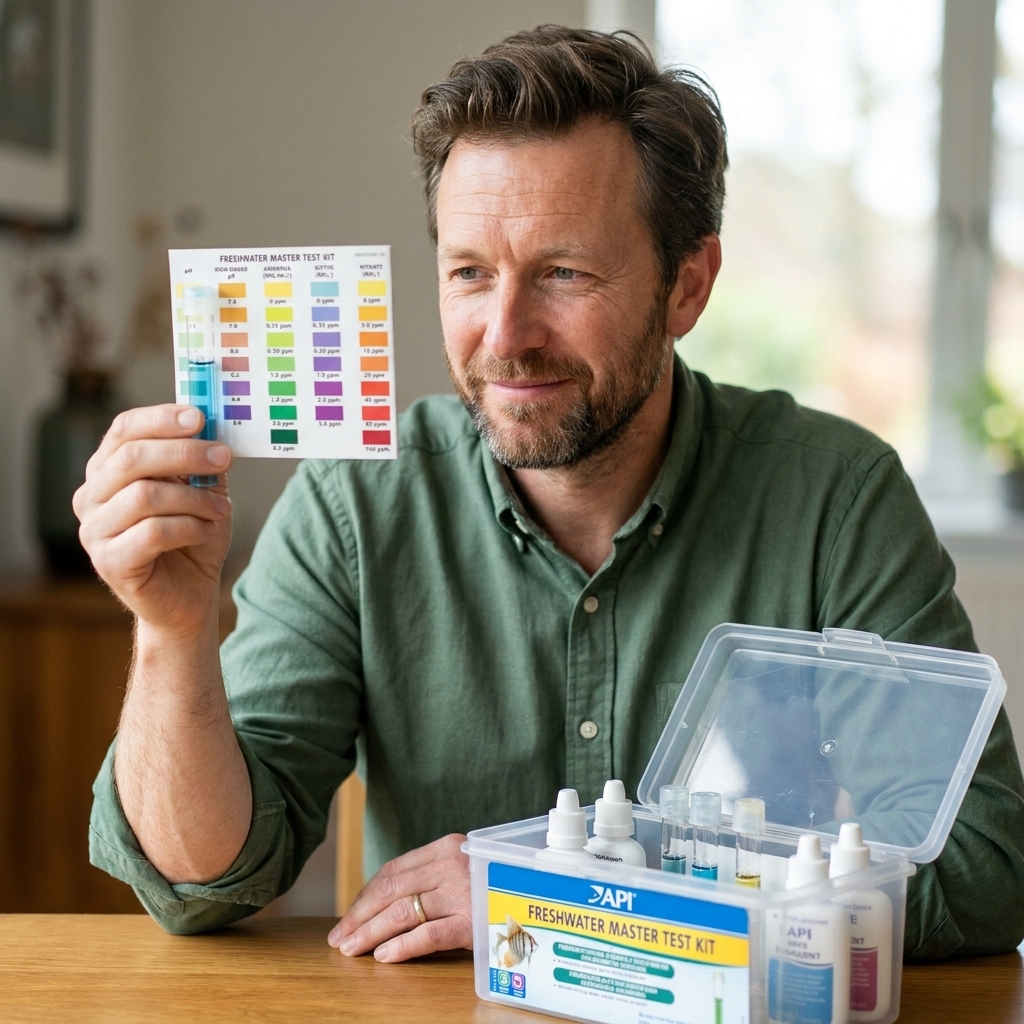
Step 3: Test on a simple schedule
At minimum, test ammonia and nitrite every 1 to 2 days. Test nitrate a couple times per week once you see nitrite.
Most cycles follow the same general arc. Think of it in phases:
- Phase 1 (often days 1 to 10): ammonia stays up, nitrite reads 0.
- Phase 2 (often week 1 to 4): nitrite appears and climbs. Ammonia begins dropping faster after dosing.
- Phase 3 (often week 2 to 6): nitrate rises, nitrite finally falls, and the tank starts clearing both ammonia and nitrite quickly.
Step 4: Keep feeding the bacteria
Whenever ammonia hits 0 ppm, dose back up to about 1 to 2 ppm. You are not trying to keep ammonia constantly high. You are giving the colony a consistent meal so it grows.
If nitrite reads off the chart for days, do a partial water change to bring it down. Also know that some kits top out and can look “stuck” even when the number is changing. If you suspect that, do a dilution test (for example, 50 percent tank water and 50 percent dechlorinated water, then double the result).
Yes, you can do water changes during cycling. You are growing bacteria on surfaces, not “saving” bacteria in the water column.
Step 5: Confirm the cycle (24-hour test)
Your tank is considered cycled when it can process a measured dose of ammonia quickly.
Pass condition: Dose to 1 to 2 ppm ammonia. Within 24 hours you should test:
- Ammonia: 0 ppm
- Nitrite: 0 ppm
- Nitrate: present (often 10 to 80+ ppm depending on water changes, plants, and tap water)
If you can clear 2 ppm in 24 hours, you have a robust cycle for a lightly to moderately stocked community tank. For heavier bioloads (goldfish, large cichlids, messy eaters), you will still want to stock gradually and test closely.
Step 6: Big pre-fish water change
By the end, nitrate is usually high. Before adding fish, do a large water change, often 50 to 80%, to bring nitrate down. Treat new water with dechlorinator and match temperature as closely as you can.
Dechlorinator tip: Follow the label. Some products are dosed for the entire tank volume (especially if you add water directly to the tank), while others are dosed for new water only. The goal is simple: no untreated chlorine or chloramine touches your filter media.
Good nitrate goal for many community tanks: under 20 to 40 ppm before stocking. Lower is often better for sensitive fish, fry, and many invertebrates, so always check the needs of the species you plan to keep.
Step 7: After the water change
Two practical options here:
- If you are adding fish within a day or two, you can stop dosing ammonia and move on to stocking.
- If fish are not coming soon, dose a small amount of ammonia (around 1 ppm) every day or two, or toss in a tiny pinch of food, so the colony does not starve.
If you want extra peace of mind after a very large water change, do one more 1 to 2 ppm dose and confirm you still pass the 24-hour test.
How long it takes
Most fishless cycles take 2 to 6 weeks.
What speeds it up:
- Using seeded filter media from a healthy established tank
- Adding bottled bacteria that has been stored properly and is within date
- Warm, stable temperature (within reason for your setup)
- Strong oxygenation and consistent filter flow
What slows it down:
- Chlorine or chloramine exposure (forgetting dechlorinator)
- Letting the filter sit off for long periods
- Overdosing ammonia to very high levels
- Low pH or very low carbonate hardness (KH), which can cause pH drops
Simple target numbers
- Ammonia: dose 1 to 2 ppm, and by the end you want it to reach 0 ppm within 24 hours
- Nitrite: it will spike during cycling, but by the end you want 0 ppm within 24 hours
- Nitrate: should appear as nitrite begins converting; lower it with water changes before fish
Ammonia vs ammonium
Test kits often read total ammonia (NH3 + NH4+). At lower pH, more of it is in the less toxic ammonium form. At higher pH and temperature, a given ppm is more harsh because more of it is free ammonia. But during cycling, keep it simple: treat any measurable ammonia as a reason not to add fish yet. The goal is still 0 ammonia, 0 nitrite when fish are present.
Common mistakes
Replacing filter media mid-cycle
If you throw out cartridges or replace sponges, you throw out your bacteria home. If you must remove gunk, swish media gently in a bucket of tank water, never under untreated tap water.
Turning the filter off
Nitrifying bacteria need oxygen. If the filter is off long enough, the colony can die back and you can lose days or weeks of progress.
Chasing perfect pH
Stability matters more than a “perfect” number. If your pH crashes, look at KH and consider water changes or buffering, but do not bounce pH up and down with quick-fix chemicals.
Adding fish because nitrate showed up
Nitrate appearing is a good sign, but it does not guarantee ammonia and nitrite are being processed fast enough. Always confirm with the 24-hour test.
Stocking too fast
Even with a completed cycle, adding a huge bioload overnight can overwhelm the colony. A practical approach is to add about 20 to 30% of your planned fish, then test for a week or two before adding the next group. In small tanks, go even slower.
Cycling with plants
Yes, and I encourage it. Live plants can uptake ammonia directly and smooth out early spikes. That said, plants do not replace the need for a functioning biofilter. Think of plants as shock absorbers, not the engine.
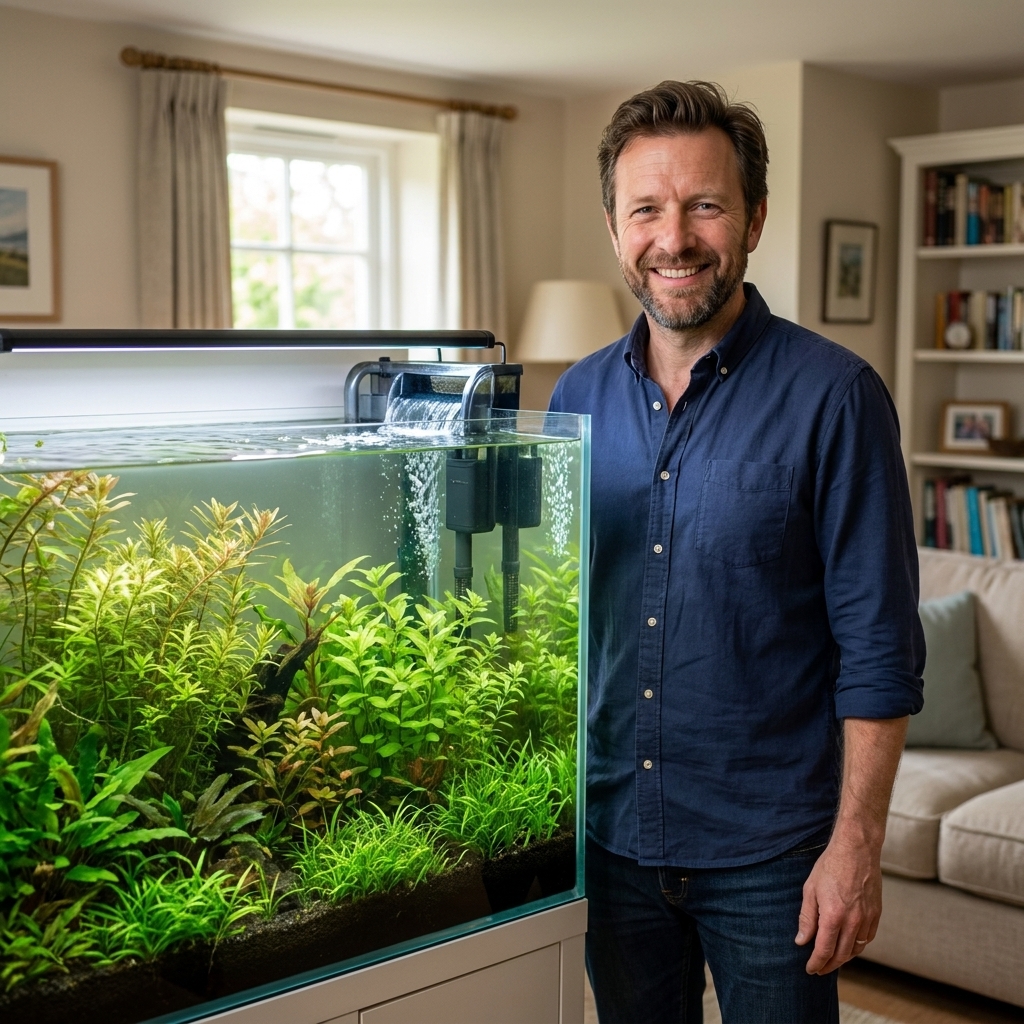
If you are doing a heavily planted tank, you may see lower ammonia and nitrite readings during cycling. Still do the 24-hour confirmation test before fish.
Using seeded media
If you have access to a healthy established aquarium, a small piece of mature sponge, ceramic rings, or bio media can shorten cycling dramatically. It works because you are transplanting bacteria directly.
- Move seeded media quickly so it does not dry out.
- Keep it oxygenated during transport, even if that means a bag with tank water and minimal delay.
- Never take media from a tank with sick fish.
Even with seeded media, still test. It is faster, not magical.
FAQ
Is cloudy water normal?
Yes. A milky haze is often a bacterial bloom in the water column. It usually clears on its own as the tank stabilizes. Keep the filter running, avoid overfeeding the cycle, and do not panic clean everything.
Should I do water changes while cycling?
You can. Water changes are helpful if nitrite gets extremely high, if nitrate becomes excessive, or if pH drops due to low KH. Just always dechlorinate new water.
Can I add snails or shrimp before the tank is cycled?
I do not recommend it. Invertebrates are often less forgiving of ammonia and nitrite than many fish. Cycle first, then add them after nitrate is lowered.
My nitrite seems stuck high. What now?
This is common. First, confirm your test results carefully. If your kit is maxed out, try a dilution test so you can see movement. Then do a partial water change to reduce nitrite, keep temperature stable, ensure good oxygenation, and continue dosing ammonia only when ammonia hits 0 ppm. Patience here pays off.
How do I know if my cycle crashed?
If you were previously clearing ammonia and nitrite in 24 hours and suddenly you are not, check for the usual causes: filter was off, media was replaced or washed in tap water, medication harmed bacteria, or chlorine got into the tank. Resume fishless dosing and testing until it recovers.
A stable tank starts here
Cycling is not the flashy part of the hobby, but it is the part that turns fishkeeping from stressful to steady. Once your biofilter is established, you will spend less time reacting to emergencies and more time enjoying the tank you built.
If you take only one idea from this guide, let it be this: test, do not guess. When your tank can process 1 to 2 ppm ammonia to 0 ammonia and 0 nitrite within 24 hours, you have earned the right to add fish with confidence.