A curated list of 7 reliable, budget-friendly LED aquarium lights that support low-tech plant growth without pushing your tank into algae trouble, plus pract...
Freshwater aquarium guidance
7 Freshwater Fish That Naturally Clean Algae
Meet 7 algae-eating freshwater fish that actually earn their keep. Learn what each species eats, what they will not eat, and how to keep them healthy in community tanks.

Written by
Oliver Bennett
Oliver Bennett is a lifelong aquarist with over 15 years of experience in freshwater tank setup, aquascaping, and fish health. Through TankRoot, he shares his passion for creating balanced underwater ecosystems, helping hobbyists of all levels build thriving, beautiful homes for their fish.
Published: October 17, 2026
•
Updated: October 17, 2026
When I was ten, I genuinely believed algae was just part of “having a fish.” My first tank was a green, murky lesson in what happens when light, nutrients, and impatience team up. The good news is that algae is manageable, and a few truly hardworking fish can help you keep it under control.
But here is the part big-box pet stores gloss over: no fish “solves” algae. Algae blooms when light and nutrients are out of balance, and it grows on whatever surfaces you give it. Algae eaters are a cleanup crew, not a fix for overfeeding, long photoperiods, or skipped water changes.
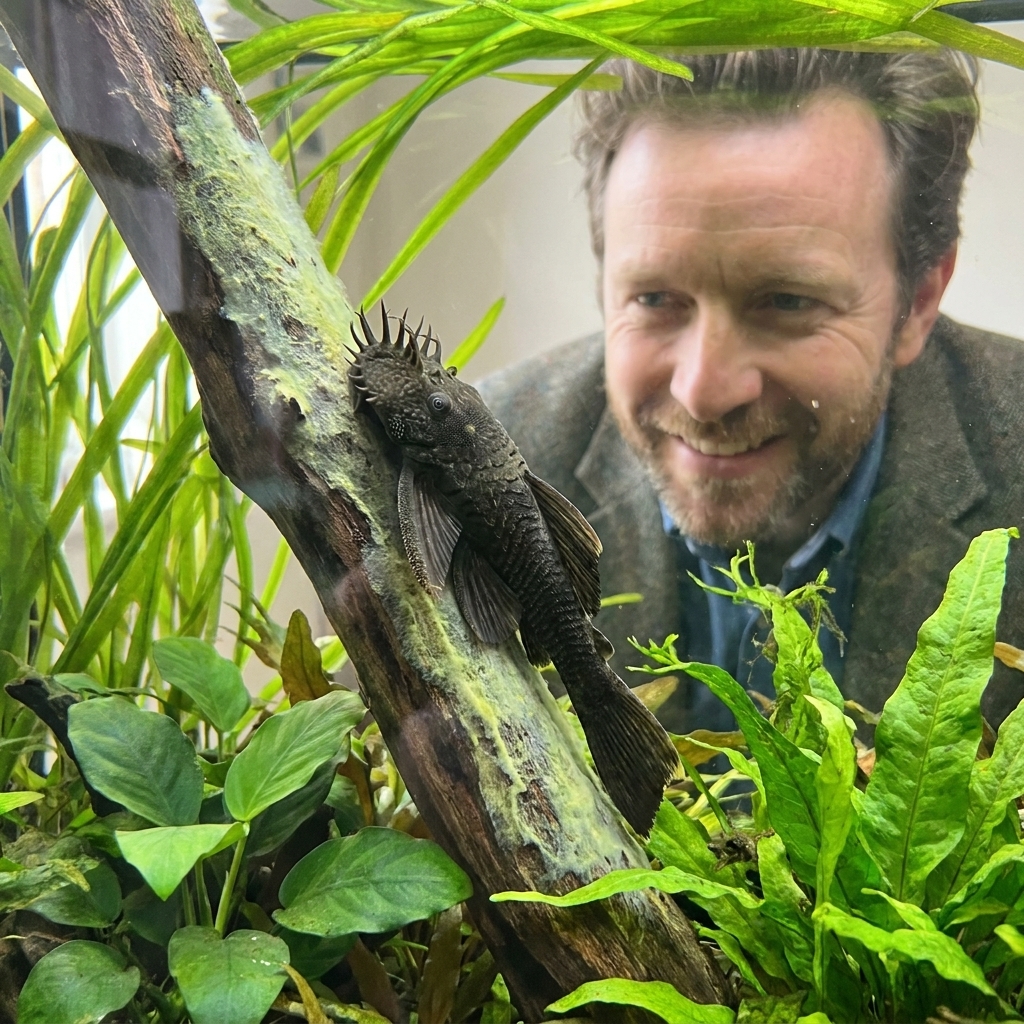
Below are seven freshwater fish species that genuinely help, along with what each one will and will not eat so you do not end up with an underfed “algae eater” and the same algae problem.
Before you buy an algae eater
Match the algae type
Most tanks deal with a mix of:
- Soft green algae and green dust on glass and leaves
- Diatoms (brown film), common in newer tanks
- Hair or filament algae (stringy growth)
- Black beard algae (BBA), dark tufts on hardscape and slow plants
Different fish target different textures. Some are excellent film grazers but ignore tough strands. Others might pick at BBA, but results vary a lot and they are not reliable once it is entrenched.
Plan to feed them anyway
In a clean, well-balanced aquarium, algae often is not enough to sustain a dedicated grazer. Have appropriate foods ready from day one: algae wafers, spirulina flakes, blanched zucchini, green beans, and a quality sinking food for omnivores.
Algae is normal
A little algae is normal, and even healthy. If you are getting outbreaks, reduce the fuel first:
- Shorten lighting to about 6 to 8 hours while you regain control
- Do not confuse topping off with water changes. Topping off replaces evaporation, but only water changes export nutrients
- Feed less and remove uneaten food
- Add fast-growing plants to compete for nutrients
Two quick reality checks
First, some “algae” is not algae. Cyanobacteria (often called blue-green algae) is bacteria, and fish rarely make a dent in it. Second, some of the best algae helpers are not fish at all. Nerite snails and Amano shrimp can be fantastic, depending on your tank and stocking.
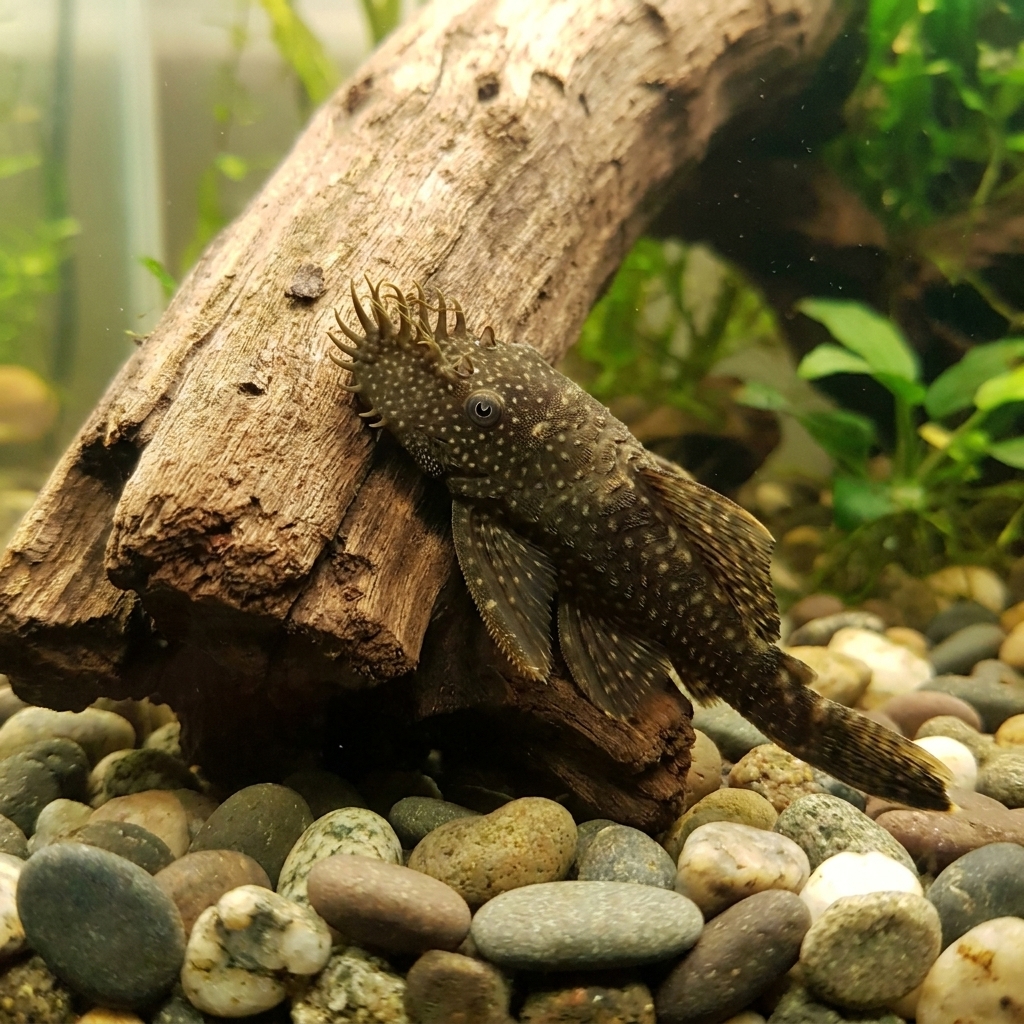
1) Bristlenose Pleco (Ancistrus species)
If you want one algae-eating fish that is both effective and realistically sized for many home aquariums, bristlenose plecos are my first pick.
- Best at: green film algae, soft biofilm on glass, wood, and decor
- Tends to ignore: long hair algae, established black beard algae
- Adult size: often 4 to 6 inches
- Tank size: 20 gallons and up (bigger is easier)
- Temperament: generally peaceful, can be territorial with other plecos
Diet limitations: A bristlenose that “runs out of algae” will not magically thrive on scraps. They need regular vegetable matter and a quality sinking food.
About driftwood: Driftwood is strongly recommended in many Ancistrus setups. It adds grazing surface and many keepers find it helps with long-term digestion and behavior, even if a good diet can cover a lot of the same ground.
Practical tip: If your bristlenose starts rasping broad-leaf plants, it often means it is hungry, not “naughty.” Increase veggie offerings and make sure it gets food after lights out.
2) Siamese Algae Eater (Crossocheilus species)
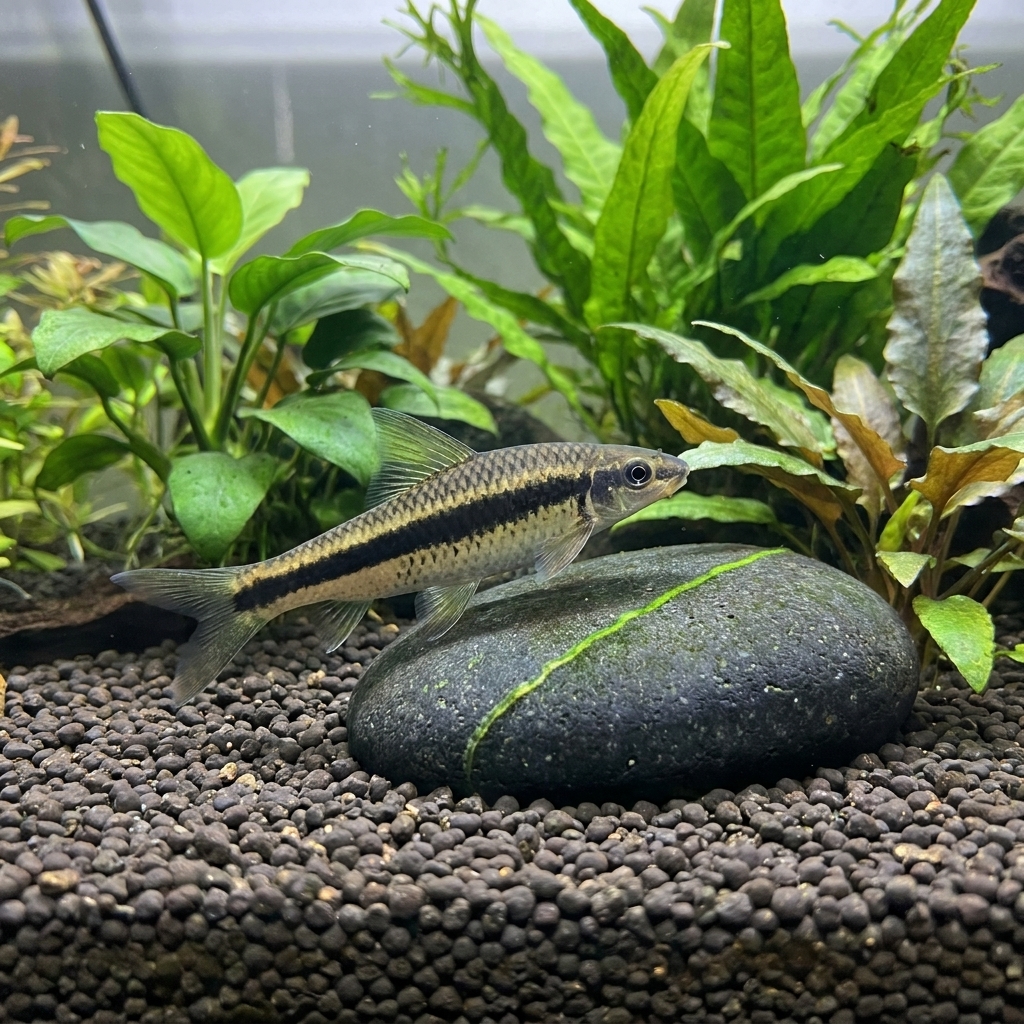
When people ask me for a fish that can genuinely help with tougher algae, the conversation often lands here. A true Siamese algae eater is one of the better fish options for hair algae and may sometimes nip at black beard algae, especially when it is young. Even then, think of it as a helper, not a guarantee.
- Best at: hair algae, some nuisance growth on hardscape
- May pick at: early or weak BBA (results vary heavily)
- Tends to ignore: heavy, mature BBA; hard green spot algae
- Adult size: often 5 to 6 inches
- Tank size: 30 gallons and up (active swimmers)
- Temperament: generally peaceful, best in small groups if space allows
Diet limitations: As they mature, many become less algae-obsessed and more interested in prepared foods. If you feed heavy, they often stop “working” altogether. They are omnivores, not algae-only machines.
Group size tip: They often do best in a group of 3 or more in a tank with enough room to spread out. In tighter quarters, a single specimen can be the calmer choice.
Important ID note: Stores sometimes label several similar fish as “SAE.” If you want the real worker, verify the species carefully before you buy. Misidentification is one of the most common reasons hobbyists feel “ripped off.”
3) Florida Flagfish (Jordanella floridae)
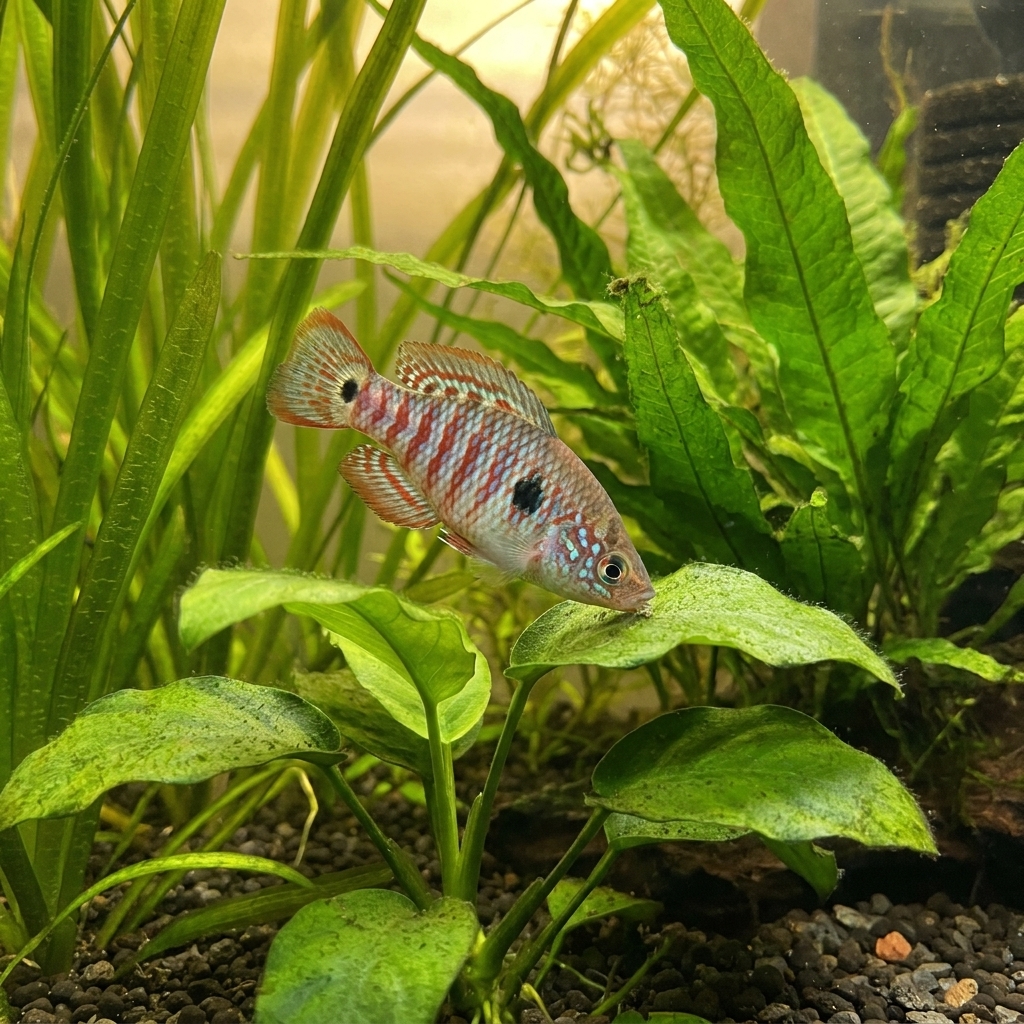
Flagfish are underrated little lawnmowers with big personality. In the right setup, they can be excellent at grazing stringy hair algae and soft growth on plants and decor.
- Best at: hair algae, soft algae on leaves, biofilm
- Tends to ignore: hard green spot algae; heavy BBA mats
- Adult size: around 2 to 2.5 inches
- Tank size: 20 gallons and up
- Temperament: semi-aggressive, can be nippy
Diet limitations: They are omnivores. If you expect them to live purely on algae, you will end up with stressed, skinny fish. Offer a balanced diet including quality flakes or pellets plus vegetable matter.
Compatibility warning: In calm community tanks with long-finned fish, flagfish can be a poor match. Think carefully before pairing them with guppies, bettas, or fancy angelfish.
4) Chinese Algae Eater (Gyrinocheilus aymonieri)
This is the one I have to talk about carefully. Chinese algae eaters do eat algae when they are young, and they can clean soft film off glass and decor early on. But they are frequently sold for tanks they will outgrow, and their behavior often changes with age.
- Best at: soft green film algae when juvenile
- Tends to ignore: hair algae and BBA; algae once it is older and well-fed
- Adult size: up to about 10 to 11 inches
- Tank size: 55 gallons and up (and larger is better)
- Temperament: can become territorial and aggressive
Diet limitations: Adults commonly shift toward omnivorous feeding and may stop grazing enough to matter. In some tanks, they may even harass slower fish, attempting to suck slime coat. Not every individual does this, but it is common enough that I do not recommend them as a “safe” algae solution for most community aquariums.
When they make sense: Large tanks with robust, fast tankmates and an owner who understands the long-term commitment.
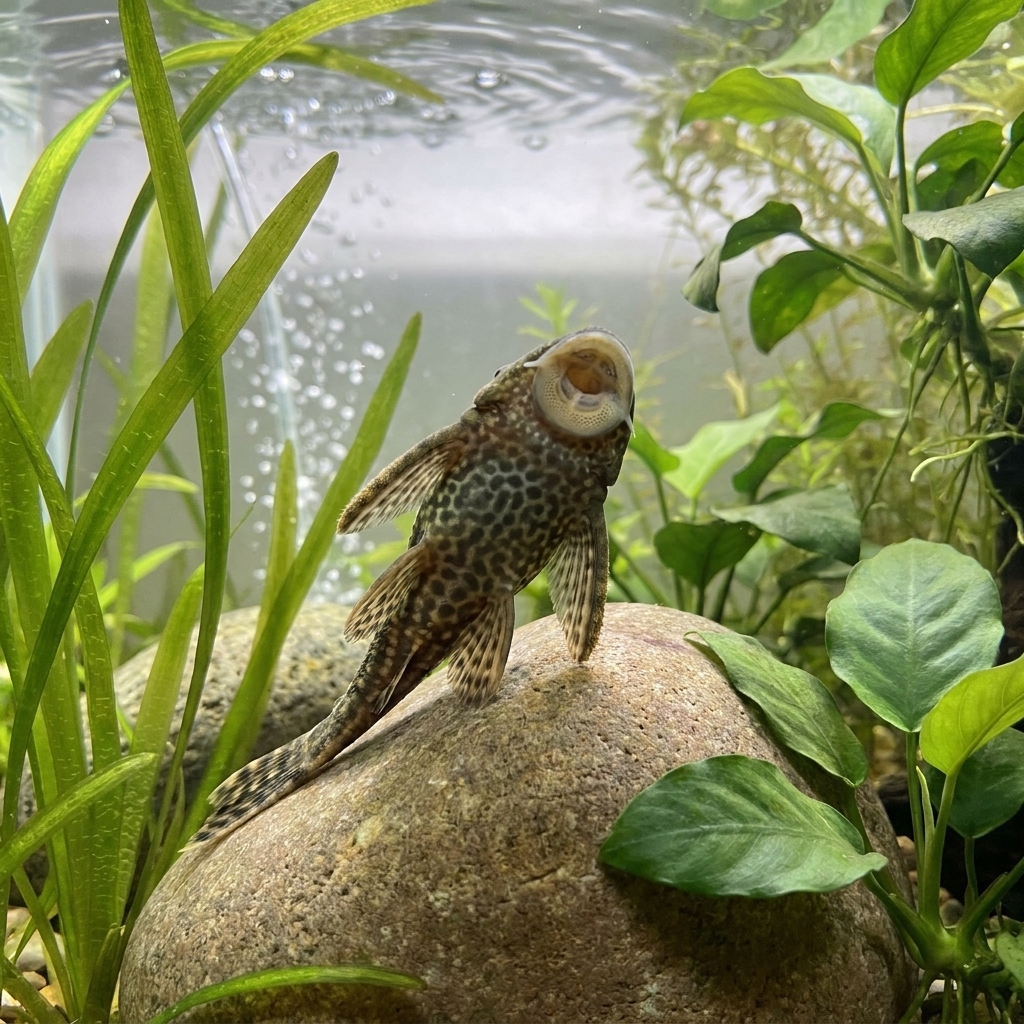
5) Rubber Lip Pleco (Chaetostoma species)
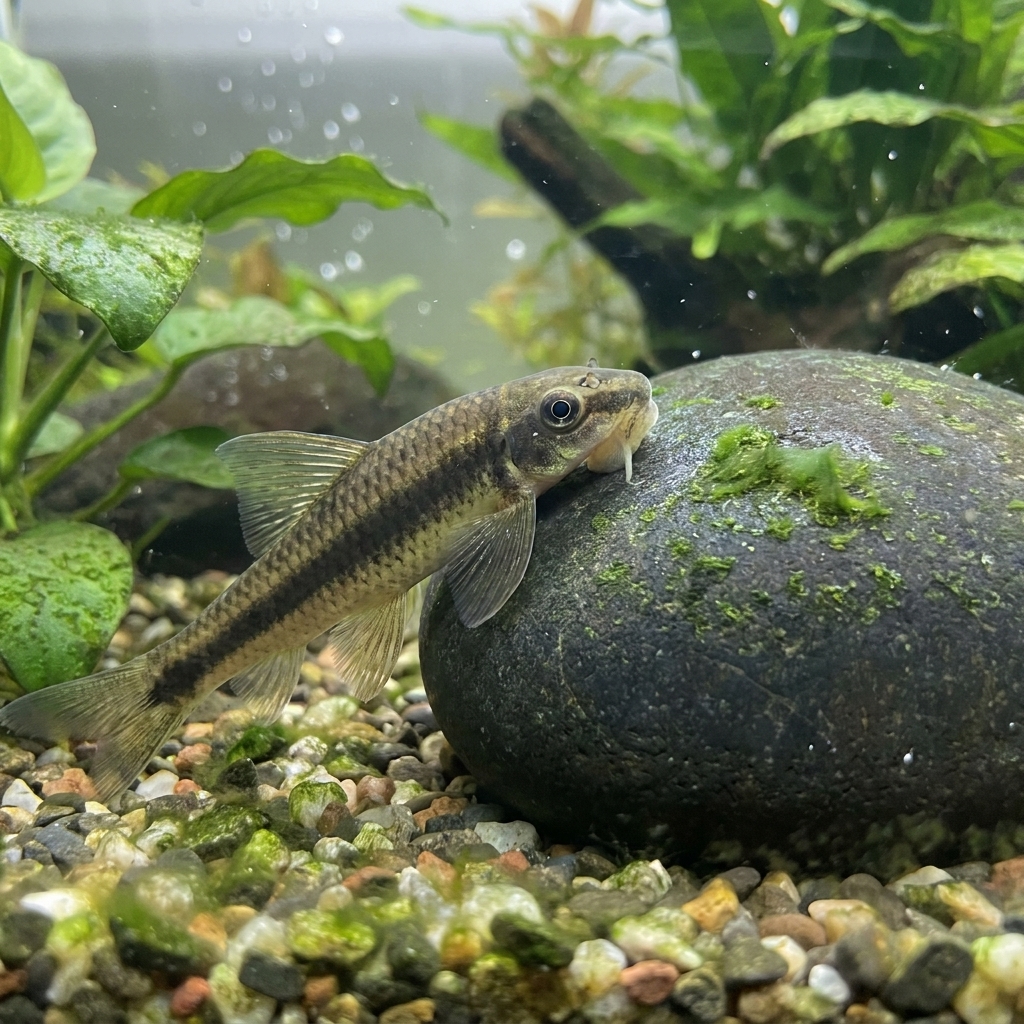
If you like the idea of a pleco but want something more manageable than a common pleco, a rubber lip pleco is a solid, often-overlooked choice. They are great surface grazers and tend to be peaceful.
- Best at: green film algae, soft algae on rocks and wood
- Tends to ignore: long hair algae and most established BBA
- Adult size: often 4 to 5 inches
- Tank size: 25 gallons and up
- Temperament: peaceful, can be mildly territorial with similar bottom dwellers
Diet limitations: These fish still need supplemental feeding. Think algae wafers, spirulina, and vegetables.
Temperature and oxygen note: Many Chaetostoma are at their best in cooler, high-oxygen, higher-flow tanks. If your aquarium runs warm and still, this can be a mismatch. Strong filtration, surface agitation, and good oxygenation are not “nice to have” with these fish.
Care tip: Provide multiple caves and shaded resting spots. A secure pleco is a pleco that comes out to graze more confidently.
6) Panda Garra (Garra flavatra)
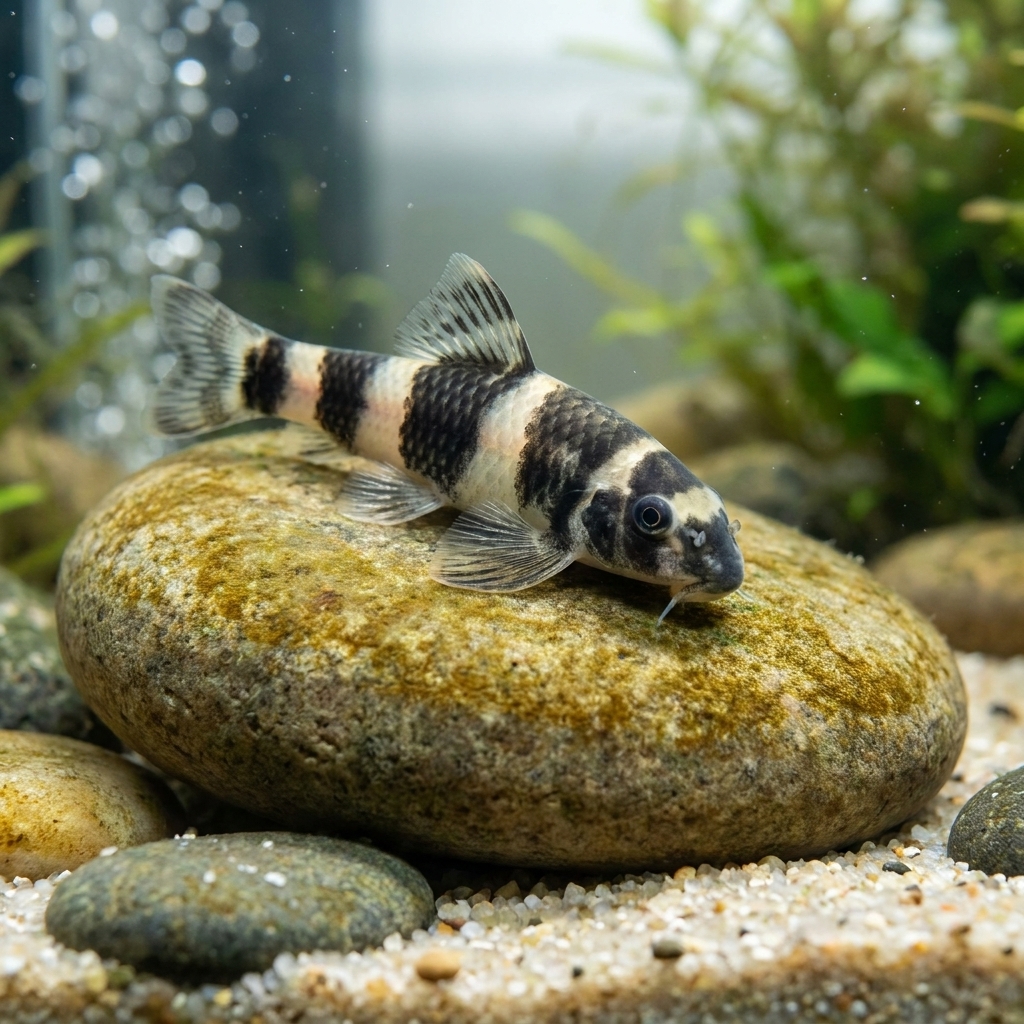
Panda garras are busy, personable grazers that spend their day picking at surfaces. They are not as famous as plecos, but in the right community they are excellent little workers.
- Best at: biofilm, soft algae films, leftover food cleanup
- Tends to ignore: heavy hair algae and most BBA
- Adult size: around 2.5 to 3 inches
- Tank size: 20 gallons and up (more space is better for groups)
- Temperament: generally peaceful, can playfully spar with their own kind
Diet limitations: They are grazers, not strict algae eaters. You will need to feed them a varied omnivore diet. If your tank is too clean, they can lose condition quickly unless you supplement.
Group size tip: A small group (often 3 to 6) in a tank with open grazing lanes tends to show the most natural behavior.
Environment tip: Smooth rocks, wood, and open grazing lanes make them shine. Strong filtration and good oxygenation are a plus.
7) Otocinclus Catfish (Otocinclus species)
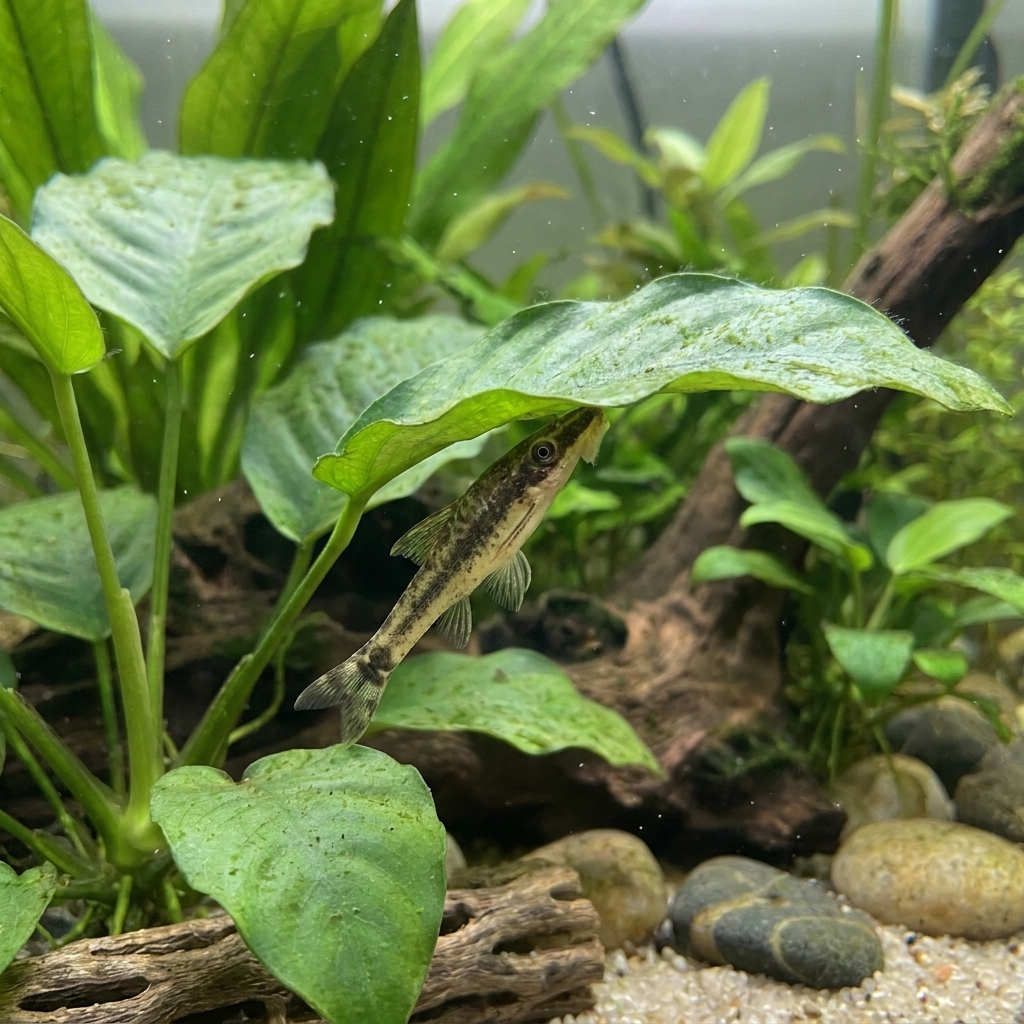
Otos are small, gentle fish that do a wonderful job on soft green film and diatoms. In planted tanks, they are often the difference between leaves that look dusty and leaves that look polished.
- Best at: diatoms (brown film), soft green film algae, light biofilm
- Tends to ignore: hair algae, BBA, green spot algae
- Adult size: about 1.5 to 2 inches
- Tank size: 20 gallons and up (mature, stable tanks)
- Temperament: very peaceful, best kept in groups
Diet limitations: Otocinclus are one of the most commonly unintentionally starved “algae eaters.” Many arrive underfed from shipping, and some newer tanks do not produce enough biofilm long-term. Be ready to supplement with algae wafers, blanched vegetables, and foods that contain spirulina. Watch bellies. You want gently rounded, not pinched.
Stability matters: Otos do best in established aquariums with consistent water quality and plenty of surfaces to graze. Quarantine helps too, both to protect your tank and to make sure new otos are eating before they have to compete.
Group size tip: Aim for 6 or more when you can. They settle in, feed more confidently, and look less stressed.
How to get better results
1) Feed smart, not heavy
If algae eaters are constantly full of flakes and pellets, they stop grazing. Feed your community fish appropriately and use target-feeding for bottom dwellers and grazers. Many do best with sinking foods offered after lights out, even if you slightly reduce the main daytime feeding.
2) Add grazing surfaces
Wood, rounded stones, and healthy plant leaves grow the biofilm your cleanup crew actually wants. A tank made of bare glass and plastic decor gives algae eaters less to do and less to eat.
3) Keep lighting consistent
Many algae problems are simply too much light for the nutrient level. A consistent schedule beats random long days. If you are fighting algae, reduce to 6 to 8 hours temporarily.
4) Use your hands
Even with the right fish, you will still do occasional scraping and pruning. Removing big clumps of hair algae by hand makes it easier for fish to keep new growth under control.
Quick picks by algae type
- Brown diatoms: Otocinclus
- Green film on glass and decor: Bristlenose Pleco, Rubber Lip Pleco, Otocinclus
- Hair algae: Siamese Algae Eater, Florida Flagfish (with compatibility in mind)
- Black beard algae: Siamese Algae Eater might help early on, but long-term control is usually about balancing light and nutrients
- Green spot algae: most fish ignore it. Plan on manual scraping and consider non-fish help like nerite snails if your tank allows
FAQ
Do algae-eating fish replace tank cleaning?
No. They reduce how fast algae builds up and help polish surfaces, but they do not replace water changes, filter maintenance, or manual removal.
Will algae eaters starve once the tank is clean?
They can. In a healthy aquarium, visible algae might be sparse. Plan to feed algae wafers and vegetables regularly and watch body condition.
Can I add more algae eaters to fix a sudden outbreak?
Adding livestock to chase an outbreak is risky. First reduce the cause (usually excess light, excess nutrients, or both). Then add a species that matches your tank size and algae type, and only if you can feed it long-term.