A practical breakdown of aquarium water test kits and the parameters that keep freshwater fish safe: ammonia, nitrite, nitrate, pH, KH, GH, plus when to test...
Freshwater aquarium guidance
African vs. South American Cichlids
A clear, experience-based comparison of African and South American cichlids, covering water chemistry, aggression, diet, tank setup, and compatible stocking.

Written by
Oliver Bennett
Oliver Bennett is a lifelong aquarist with over 15 years of experience in freshwater tank setup, aquascaping, and fish health. Through TankRoot, he shares his passion for creating balanced underwater ecosystems, helping hobbyists of all levels build thriving, beautiful homes for their fish.
Published: October 17, 2026
•
Updated: October 17, 2026
“Cichlid” gets used like it is one type of fish. In practice, it is more like saying “birds.” African rift lake cichlids and South American cichlids can both be smart, colorful, and full of personality, but they evolved in very different water conditions and that changes almost everything about how you keep them.
If you have ever watched a big-box employee recommend African mbuna for the same tank as an angelfish because they are “both cichlids,” you already know why this comparison matters. Let’s break down the major differences in water chemistry, aggression, and diet, then translate that into practical tank decisions you can actually live with.
Quick snapshot: the core differences
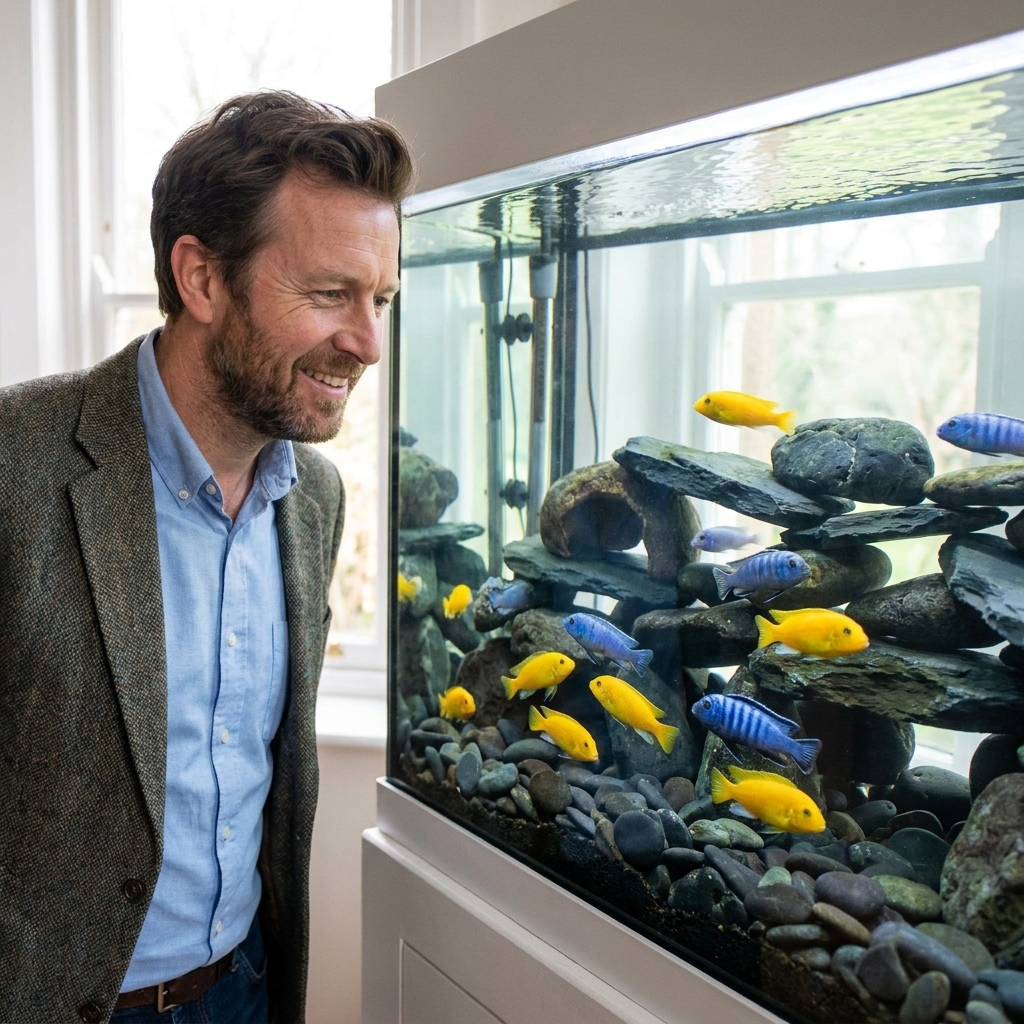
If you only remember one thing, make it this: African rift lake cichlids are usually built for hard, alkaline, mineral-rich water and constant social sparring, while many South American cichlids are built for softer, more acidic water and territory-based breeding behavior.
- Water chemistry: African rift lakes (Malawi, Tanganyika, Victoria) generally run hard and alkaline, with Tanganyika often the most mineral-heavy. South American species often prefer softer, more acidic water, though many captive-bred fish adapt to neutral conditions.
- Aggression style: Africans frequently use ongoing hierarchy aggression in groups. South Americans often escalate during pairing and spawning, with stronger territorial defense.
- Diet: Many African mbuna are algae and plant matter grazers. Many South Americans are omnivores that lean meaty, with notable herbivores too.
- Decor: Africans commonly want rock piles and sight breaks. South Americans often thrive with wood, leaves, plants, and open swimming space depending on the species.
Species groups you will actually run into
One quick clarification before we sort by continent: “African cichlid” does not automatically mean “rift lake rock brawler.” There are African riverine species like kribensis that behave and live more like many New World community-friendly cichlids than like mbuna.
African cichlids (common aquarium groups)
- Lake Malawi mbuna: Rock-dwelling, high-energy, often aggressive, many are algae grazers (examples: Labidochromis caeruleus yellow lab, Pseudotropheus saulosi, Maylandia zebra).
- Lake Malawi peacocks and haps: More open-water and sand-associated species, often larger, typically less “nippy” than mbuna but still cichlids (examples: Aulonocara peacocks, Sciaenochromis fryeri electric blue hap).
- Lake Tanganyika: Extremely diverse. Includes shell dwellers, rock dwellers, and open-water fish with specific niche needs (examples: Neolamprologus multifasciatus, Julidochromis, Tropheus).
- West African riverine: Often more “community compatible” in temperament than rift lake fish, but still territorial when breeding (examples: Pelvicachromis pulcher kribensis, Anomalochromis thomasi).
New World cichlids (Central and South American)
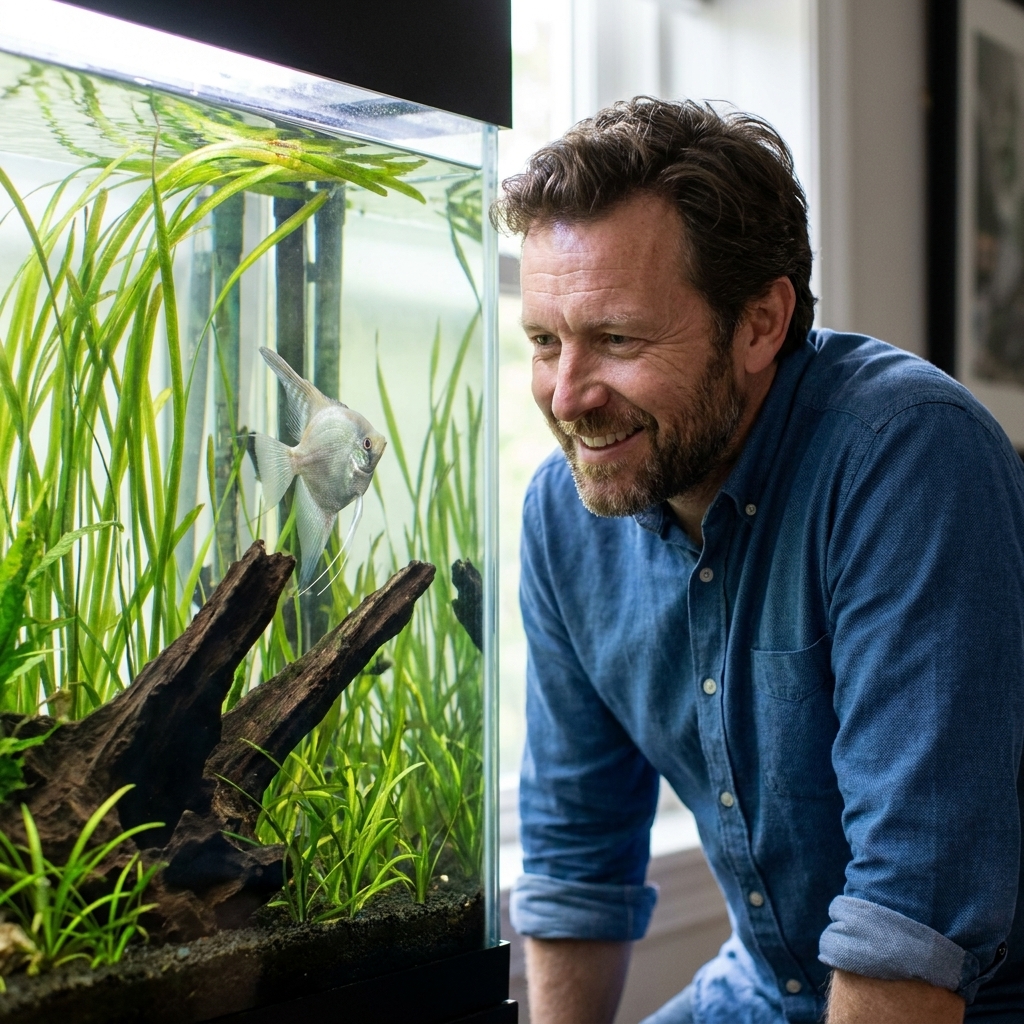
- Angelfish and discus (South America): Tall-bodied, generally peaceful for cichlids, sensitive to water quality, often best in warm, planted tanks (examples: Pterophyllum, Symphysodon).
- Apistogramma and dwarf cichlids (South America): Small, stunning, and territorial in a “tiny kingdom” way, excellent for planted community tanks when planned well (examples: Apistogramma cacatuoides, Mikrogeophagus ramirezi rams).
- Geophagus and eartheaters (South America): Sand sifters that need fine substrate and room; generally not plant destroyers if given the right setup (examples: Geophagus, Satanoperca).
- Oscars and larger New World cichlids (Central and South America): Big personalities, big waste, often predatory, usually not community fish (examples: Astronotus ocellatus oscar, green terror, Jack Dempsey).
Water chemistry: where most mixed-cichlid plans fall apart
Water parameters are not about chasing a magical number. They are about matching what a fish’s gills and osmoregulation evolved to handle long-term. You can sometimes “get away with it” for a while, then wonder why colors are dull, breeding never happens, or chronic stress diseases keep popping up.
African rift lake cichlids: hard and alkaline
Most rift lake cichlids do best in water that is:
- pH: typically 7.8 to 8.6 as a broad target, with Lake Tanganyika commonly running higher (often around 8.2 to 9.0 depending on location and mineral content)
- GH (general hardness): moderate to high
- KH (carbonate hardness): high enough to keep pH stable
- Stability: more important than perfection. Sudden pH drops are especially rough on them.
South American cichlids: often softer and more acidic
Many South American species are most comfortable in:
- pH: often 5.5 to 7.2 depending on species and goals (wild-type biotope targets are usually lower than what many captive-bred strains can adapt to)
- GH/KH: soft to moderately hard (species-dependent)
- Organic acids: driftwood and leaf litter can be beneficial when it matches the fish’s natural history
- Warmth: some groups want it warmer than most African setups (discus especially)
One important nuance: lots of captive-bred angelfish, rams, and apistos can live and even breed in near-neutral, moderately hard water if everything else is solid. That does not mean they belong in rift lake conditions, but it does mean you do not have to chase extreme blackwater numbers to keep many strains thriving.
Can you keep them both in “neutral” water?
Sometimes you can keep certain individuals alive in the middle, but “alive” is a low bar. The bigger issue is that a compromise tank often fails both groups: Africans lose the high mineral stability they thrive in, while South Americans deal with hardness and pH that can reduce comfort, breeding, and long-term vigor.
If you want a cichlid tank that feels effortless, pick a region first, then build water and decor around it. It is the single most stress-reducing decision you can make as a hobbyist.
Aggression: constant sparring vs. territorial intensity
Aggression is where cichlids earn their reputation, but it shows up differently depending on the group.
African cichlids (especially mbuna): social hierarchy conflict
Mbuna in particular are wired for crowded rocky habitat competition. You will often see:
- Frequent chasing and posturing: not always “murder aggression,” but constant pressure.
- Targeting weak individuals: a single bullied fish can spiral quickly.
- Better outcomes in larger groups: with lots of rockwork and broken lines of sight, aggression is spread out rather than focused.
South American cichlids: territory and breeding-driven aggression
Many South American cichlids look calm until they decide a corner is theirs or they pair off. Common patterns include:
- Territory guarding: especially around caves, wood, or flat spawning sites.
- Spawning spikes: peaceful fish can become tank bosses when eggs or fry are involved.
- Size-based predation: larger New World cichlids may eat anything that fits in their mouth, which is not “aggression” so much as biology.
In real life, this means African setups often focus on managing group dynamics, while South American setups often focus on managing territories and protecting smaller tankmates.
Diet: the hidden reason many African tanks struggle
Diet is where I see well-meaning keepers accidentally shorten lifespans. Not because they forgot to feed, but because they fed the wrong type of food for months.
African mbuna and herbivore-leaning Tanganyikans: fiber-forward
Many mbuna and some Tanganyika specialists (notably Tropheus) are adapted to scrape algae and biofilm. They typically do best with:
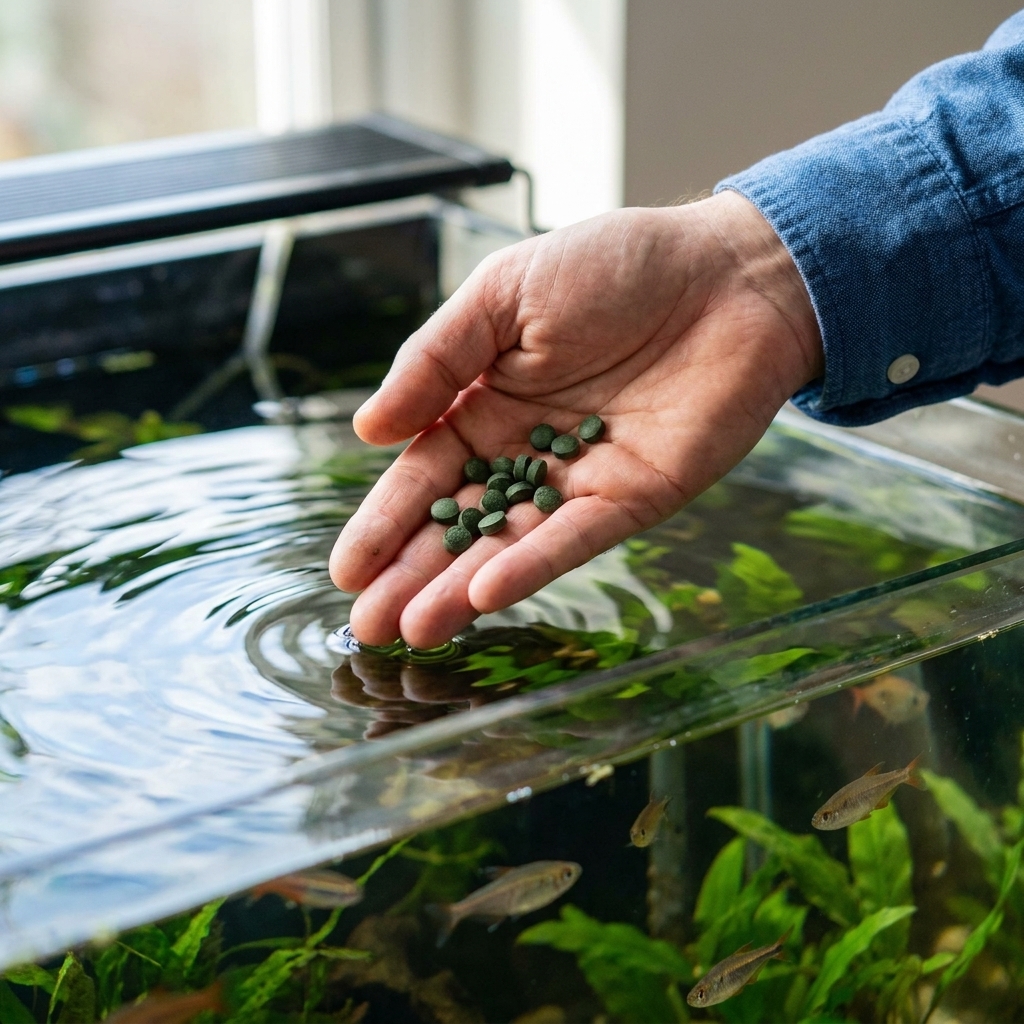
- Staples: spirulina-based flakes or pellets, quality herbivore formulas, and foods with decent fiber content
- Occasional treats: small amounts of higher protein foods, depending on the species
- Avoid as a routine: heavy, rich meaty diets (lots of bloodworms or fatty foods) which may increase bloat risk in susceptible setups, especially when stress and water quality are not ideal
Peacocks, haps, and some Tanganyikans: more protein tolerant
Many peacocks and haps handle higher protein foods better than mbuna. Some Tanganyikans do too, but Tanganyika is a lake of specialists, so do not assume. The safe play is to feed based on the actual genus and natural feeding style, not the fact that it is “from Tanganyika.”
South American cichlids: broader omnivory, often meaty-leaning
Many South American species thrive on a varied omnivorous diet:
- Staples: high-quality cichlid pellets, frozen foods in moderation, and species-appropriate veggies
- For sensitive fish: discus and some dwarfs do best with smaller, frequent feedings and exceptional water quality
- For big predators: oscars and similar fish need portion control and a clean diet more than they need feeder fish
If you are unsure, look up the natural feeding style of your exact species. “African” or “South American” is not enough, but it is a very good first filter.
Tank setup: rocks and flow vs. wood and plants
Typical African rift lake setup
- Hardscape: lots of stacked rock creating caves and sight breaks
- Substrate: sand or fine gravel, often light-colored to mimic lake bottoms
- Plants: optional and often limited, since many Africans will uproot or chew softer plants
- Water movement: strong filtration and circulation, high oxygenation
Typical South American setup
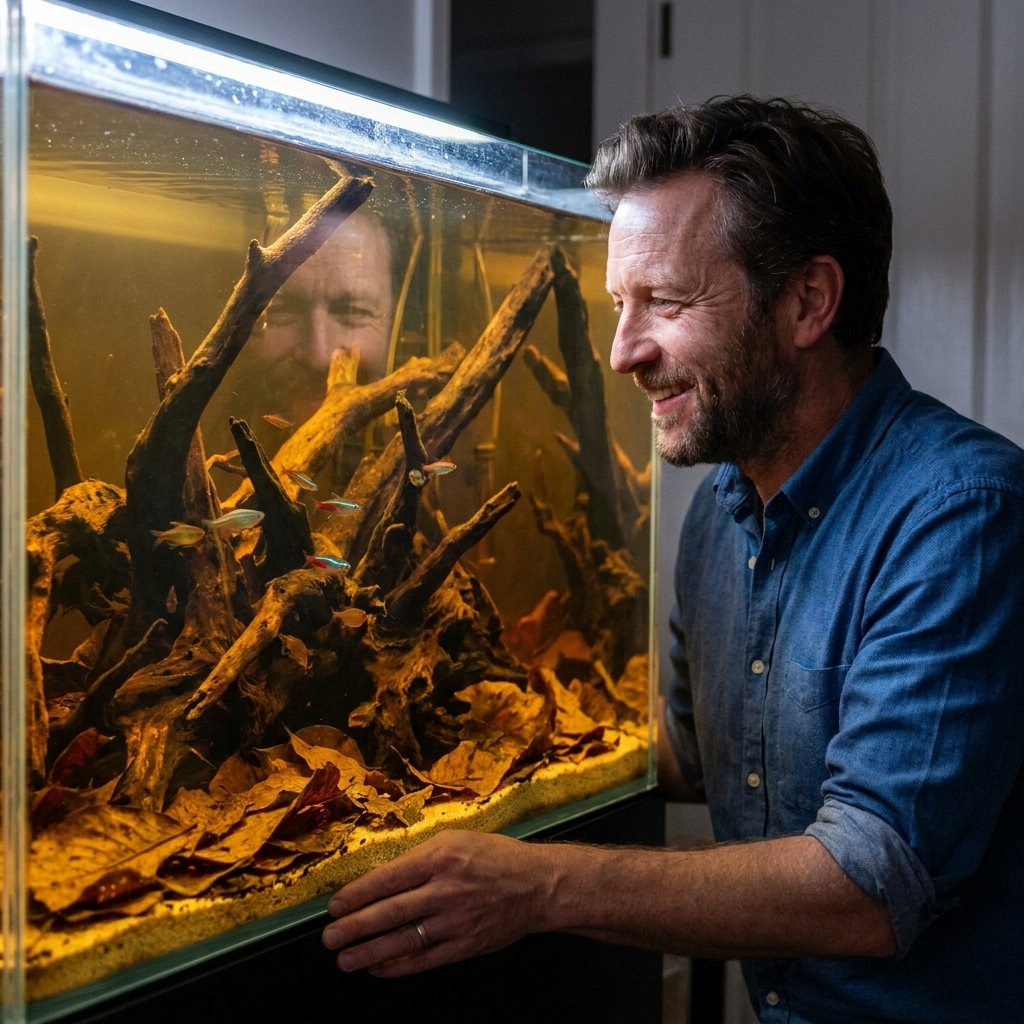
- Hardscape: driftwood, roots, rounded stones, leaf litter depending on biotope goals
- Substrate: fine sand is great for many species (especially eartheaters); planted tanks often use aquasoil with care
- Plants: commonly used, especially with angels, rams, and apistos
- Water tone: clear or tea-stained blackwater depending on the species and your preference
One practical tip: the decor style you choose influences behavior. Rock piles create constant ownership opportunities, which can fuel mbuna sparring. In contrast, wood and plants can break sight lines in a softer way, helping dwarfs and angels feel secure.
Filtration and maintenance: both need clean water, but waste loads differ
All cichlids appreciate stable, clean water. The difference is how fast things get messy.
African cichlids
- Stocking: often higher stocking levels, especially with mbuna, to diffuse aggression
- Result: higher waste production and faster nitrate creep
- Practical approach: oversized filtration, strong aeration, and consistent water changes
South American cichlids
- Stocking: can be moderate in planted communities, but large species tanks are heavy bioload
- Sensitive groups: discus and some dwarfs punish sloppy maintenance
- Practical approach: tailor filtration to fish size and feeding level, and do not overfeed because they beg
In both cases, your best friend is a routine: predictable water changes, a realistic feeding schedule, and not letting debris rot in dead spots.
Minimum tank sizes: safer starting points
There is no perfect universal minimum because species vary so much, but these are conservative starting points that reduce the odds of stress and constant conflict.
African rift lake cichlids
- Mbuna community: a 4-foot tank is the practical minimum for most mixed mbuna groups, which usually means 75 gallons (55 gallons can work for limited, carefully chosen setups, but it is much less forgiving)
- Peacocks and haps: 75 gallons minimum for a small group, larger is better as adult size increases
- Tanganyika shell dwellers: can be done in smaller tanks depending on species, but research the exact fish and colony behavior
South American cichlids
- Apistogramma or rams: 20 gallons long can work for a pair or small group with the right tankmates
- Angelfish: 55 gallons for a group of juveniles, then plan for adult dynamics and pair formation
- Discus: 75 gallons is a common baseline for a small group, with excellent filtration and frequent water changes
- Oscar and similar large cichlids: 75 gallons minimum for a single adult, 125 gallons or more for multiples depending on species and temperament
If you are on the edge between sizes, go bigger. Cichlids do not use extra space the way tetras do, but they absolutely use it for territory boundaries and escape routes.
Mixing Africans and South Americans: when it works, and why it usually doesn’t
You will find hobbyists who mix them successfully. You will also find many more who tried, lost fish, and quietly tore the tank down. The failures usually come down to three predictable problems.
- Parameter mismatch: one group lives in chronic stress even if they survive.
- Feeding mismatch: herbivore-leaning Africans get overloaded with rich foods meant for South Americans, or South Americans get underfed on too much plant-based food.
- Behavior mismatch: African constant pressure can shred the fins of calmer South Americans, while a South American pair defending eggs can turn a mixed tank into a war zone.
If you are determined to mix, choose species with genuinely overlapping tolerance and temperament, keep a close eye on diet, and have a backup tank ready. In practice, that usually means you mix within a region instead: Malawi with Malawi, Tanganyika with Tanganyika, or South American community-friendly fish with South American dwarfs. Personally, I would rather build two smaller region-focused tanks than one uneasy compromise.
Tankmates: good matches by region
If you want a tank that feels stable, pick companion fish that evolved around the same kind of chaos.
Common African companions
- Synodontis catfish: a classic match for many rift lake tanks, especially larger setups
- Bristlenose pleco: sometimes works, but watch for harassment and make sure it can hold its own
- Rift lake cichlids only: the simplest and usually most successful approach, especially with mbuna
Common South American companions
- Corydoras: great with many peaceful South American setups, but avoid pairing them with truly aggressive breeding pairs or big predators
- Larger tetras: depending on the cichlid, robust schooling fish can make excellent dithers
- Peaceful plecos: often a good fit with angels and eartheaters when tank size allows
Choosing the right group for your goals
Pick African cichlids if you want:
- High activity and nonstop behavior to watch
- Bold colors (especially males) in hard, alkaline water
- Rockscape aquascaping and strong reef-like structure
- A tank that can handle slightly less delicate plants and still look striking
Pick South American cichlids if you want:
- Planted aquascapes with wood, leaves, and calmer flow
- Breeding behavior, parenting, and interesting pair dynamics
- Fish that can work in thoughtful community setups (especially dwarfs and angels)
- Softwater or blackwater aesthetics
Common beginner mistakes (and how to avoid them)
- Buying by color, not by adult behavior: juveniles are misleading. Always check adult size and aggression patterns.
- Assuming cichlid food fits all cichlids: match diet to species. This is huge for mbuna, Tropheus, and discus.
- Under-rocking an African tank: not enough caves and sight breaks increases focused bullying.
- Overstocking large New World cichlids: big fish grow fast and waste piles up. Plan for adult size from day one.
- Chasing pH with chemicals: stability beats quick fixes. Use appropriate substrate, buffers, and water sources deliberately, not reactively.
FAQ
Are African cichlids always more aggressive than South American cichlids?
Not always. Mbuna are famously scrappy, but some New World species kept in tight quarters can be just as intense. The more useful distinction is how they are aggressive: Africans often spar constantly in groups, while many South Americans get most aggressive around territory and spawning.
Can angelfish live with African rift lake cichlids?
In most cases, no. Angelfish prefer softer water and calmer tankmates. In a typical rift lake tank, they are likely to be stressed, fin-nipped, and outcompeted for food.
What is the easiest cichlid group for a beginner?
If your tap water is naturally hard and alkaline, a thoughtfully stocked Malawi peacock tank can be very rewarding. If your tap water is softer and you enjoy plants, dwarf South American cichlids like certain apistos (or captive-bred rams with stable warm water) can be beginner-friendly with good maintenance habits. The easiest path is matching fish to your existing water, not fighting it.
Do African cichlids need salt?
Rift lake cichlids do not need aquarium salt as a routine additive. What they do need is mineral content and buffering appropriate for their species, typically handled through your water source and, when needed, deliberate use of buffers or mineral salts designed for rift lake setups.