A practical breakdown of aquarium water test kits and the parameters that keep freshwater fish safe: ammonia, nitrite, nitrate, pH, KH, GH, plus when to test...
Freshwater aquarium guidance
Aquarium Substrate: Sand, Gravel, or Active Soil?
Choosing between sand, gravel, and active aqua soil affects plant growth, bottom-dweller health, and long-term maintenance. Here’s how to pick the right substrate for your freshwater tank.

Written by
Oliver Bennett
Oliver Bennett is a lifelong aquarist with over 15 years of experience in freshwater tank setup, aquascaping, and fish health. Through TankRoot, he shares his passion for creating balanced underwater ecosystems, helping hobbyists of all levels build thriving, beautiful homes for their fish.
Published: October 17, 2026
•
Updated: October 17, 2026
Substrate is one of those choices that feels purely cosmetic until you have lived with it for a few months. Then you realize it influences everything: how easy your tank is to clean, whether your plants thrive or stall, how comfortable your bottom-dwellers are, and even how stable your water parameters stay between water changes.
I have run all three major options across community tanks, shrimp setups, and heavily planted aquascapes. There is no single “best” substrate. There is a best substrate for your livestock, your plants, and your maintenance style.
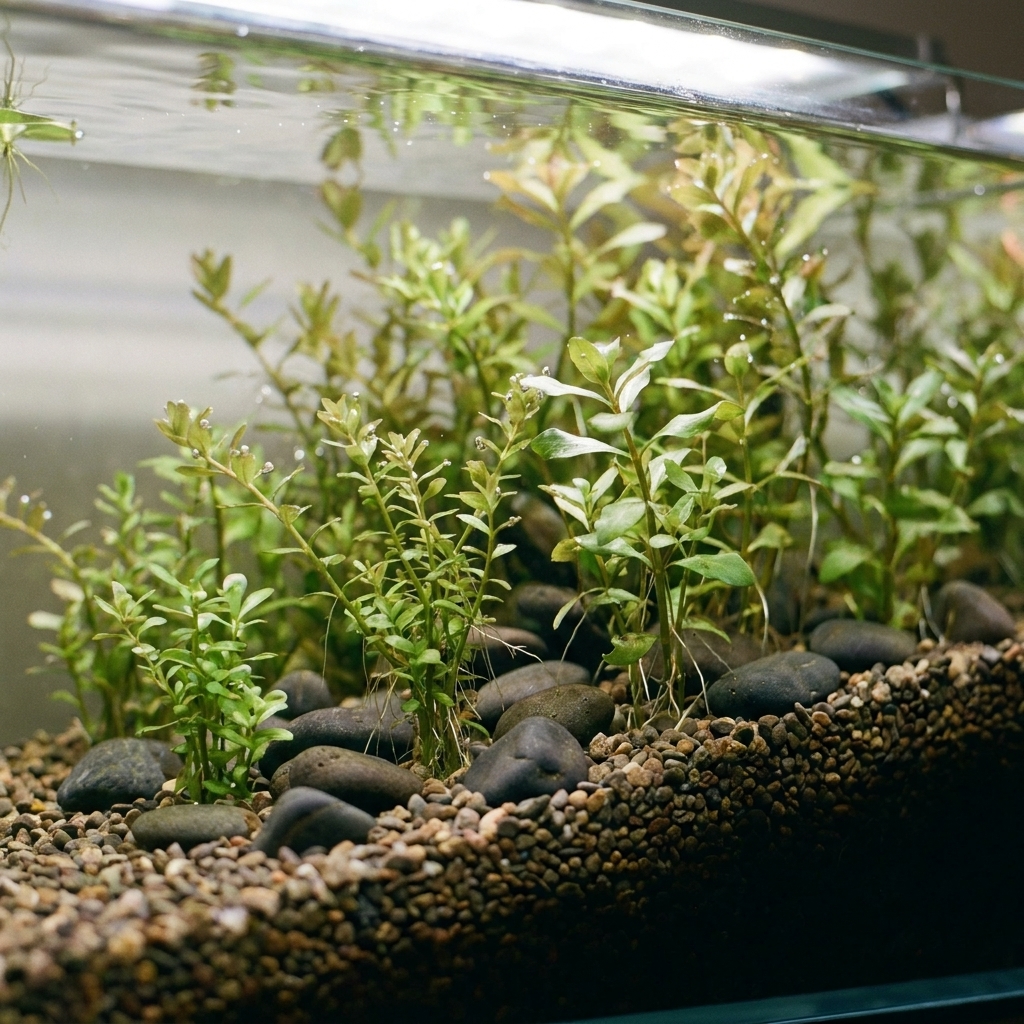
Quick pick: best match
If you want the fastest answer, start here:
- Mostly fish, easy maintenance, beginner-friendly: gravel
- Corydoras, loaches, sand-sifters, natural look: sand
- Heavily planted, aquascape-focused, soft-water species, shrimp breeding: active aqua soil
Now let’s slow down and make sure the choice matches your goals, not just the look you like today.
What substrate does
Substrate is more than “the stuff on the bottom.” It plays four major roles:
- Surface area for beneficial bacteria: All substrates provide some surface for biofilm, but coarse materials generally offer more nooks and crannies.
- Root zone for plants: Root feeders (crypts, swords, vallisneria) care a lot about what is happening down there.
- Behavior and comfort for bottom-dwellers: Corys, kuhli loaches, and many catfish species interact with the bottom constantly. Grain shape matters.
- Water chemistry influence: Most gravel and sands are inert, but some sands and gravels can raise hardness. Active aqua soils are designed to change parameters on purpose.
Choosing substrate is really choosing which of those roles you want it to prioritize.
Sand substrate
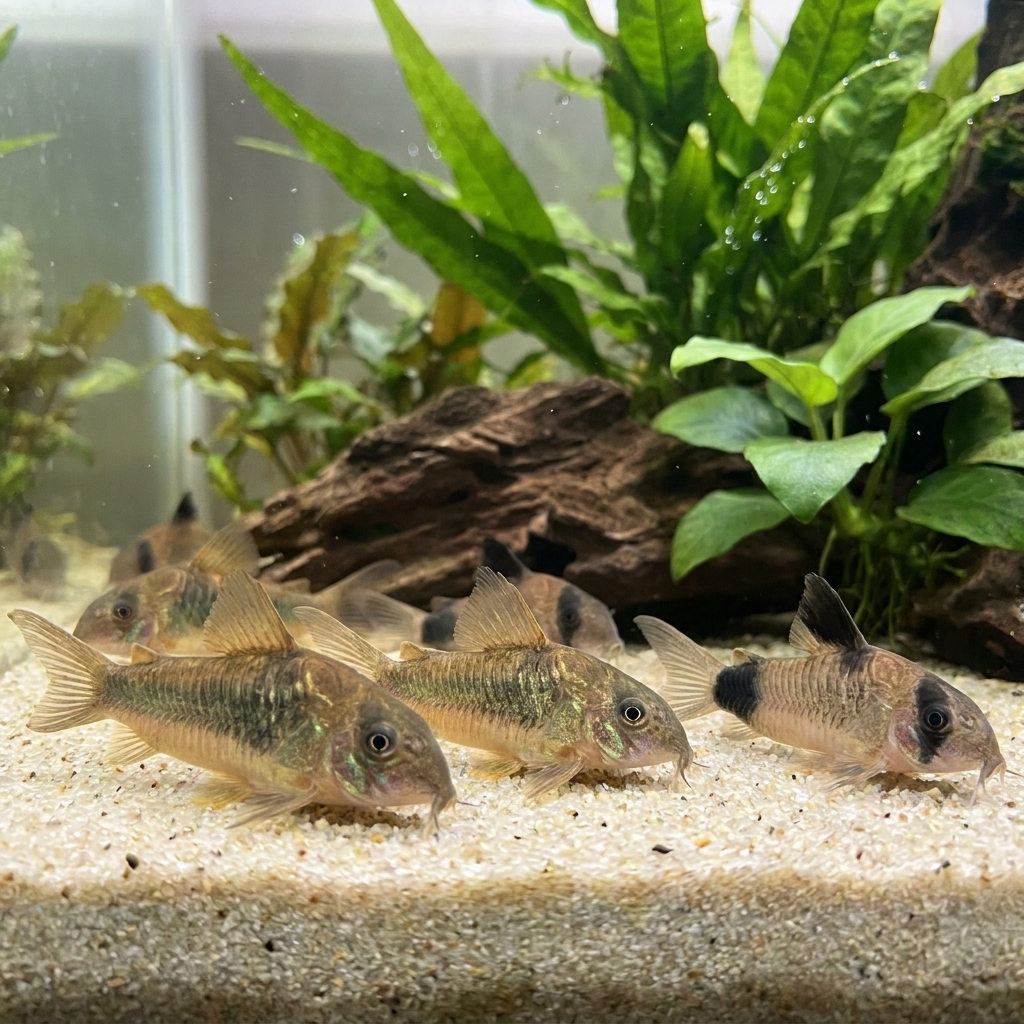
Sand is my go-to for tanks built around bottom activity. Corydoras “vacuum” mouthfuls of sand, sift it, and spit it out. Loaches burrow. Even many tetras and livebearers look calmer over a natural sand bed.
Pros
- Best for sensitive barbels: Smooth sand is gentle on corydoras and other whiskered fish that graze along the bottom.
- Natural look: Especially in river-style scapes.
- Food stays on top: Uneaten food is easier to spot and remove, instead of vanishing into gravel where it rots.
- Great for sand-sifting species: It supports natural behaviors you simply do not see on sharp gravel.
Cons
- Compaction and low oxygen pockets: Very fine sand can compact. Plant roots can struggle without help, and anaerobic zones can form in neglected areas.
- Harder to keep “pristine” looking: Debris is visible. That is not bad, but it can feel messy.
- Not ideal for heavy root feeders without a plan: You will likely rely on root tabs, or a layered approach.
Sand tips
- Choose the right grain: Look for smooth, aquarium-safe sand. Avoid sharp blasting sands for bottom-dwellers.
- Depth matters: For most community tanks, 1 to 2 inches is plenty. Deep sand beds can work, but they require intention and good circulation.
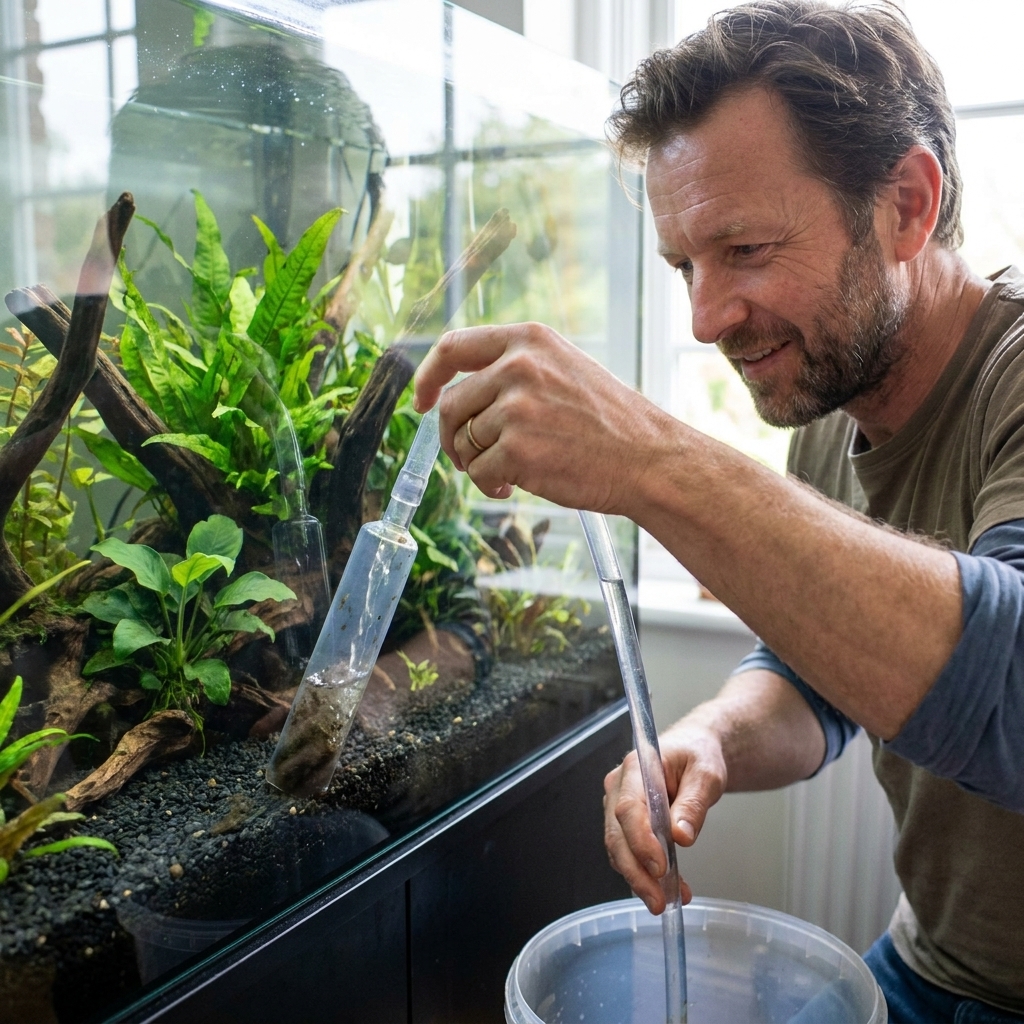
- Vacuum lightly: Hover the siphon just above the sand and let debris lift. Do not plunge like you would with gravel.
- Help plants: Use root tabs for crypts and swords, and consider plants that feed from the water column (anubias, java fern, floating plants) if you want the simplest setup.
Gravel substrate
Gravel is the classic all-rounder, and it is still a smart choice for many freshwater community tanks. If you want something forgiving, easy to clean, and compatible with most fish, gravel is hard to beat.
Pros
- Beginner-friendly maintenance: Gravel vacuums easily. Detritus gets pulled up without disturbing the whole bed.
- Good oxygen flow through the bed: Compared to fine sand, gravel is less likely to compact.
- Works with many plants: Especially when paired with root tabs, gravel can grow a surprising amount.
- Wide variety of looks: Natural river gravels, darker gravels for fish color pop, or mixed grades for texture.
Cons
- Food and waste can disappear between stones: If you do not vacuum regularly, that trapped organics can fuel algae and nitrate creep.
- Not all gravel is safe for bottom-dwellers: Sharp or jagged gravel can wear down cory barbels over time, especially in tanks with poor water quality.
- Plant roots can be less stable in very coarse gravel: Some stems uproot easily if the grain is big and rounded.
Gravel tips
- Pick a comfortable grain: For community tanks, I like 2 to 5 mm smooth gravel. It is gentle enough for many fish and still vacuums well.
- Vacuum with a schedule: If your gravel hides debris, your maintenance plan has to find it. A consistent gravel vacuum routine prevents mystery algae issues later.
- Plant support: Use root tabs under heavy root feeders, and consider a nutrient-rich water column via a complete liquid fertilizer if you are heavily planted.
Active aqua soil
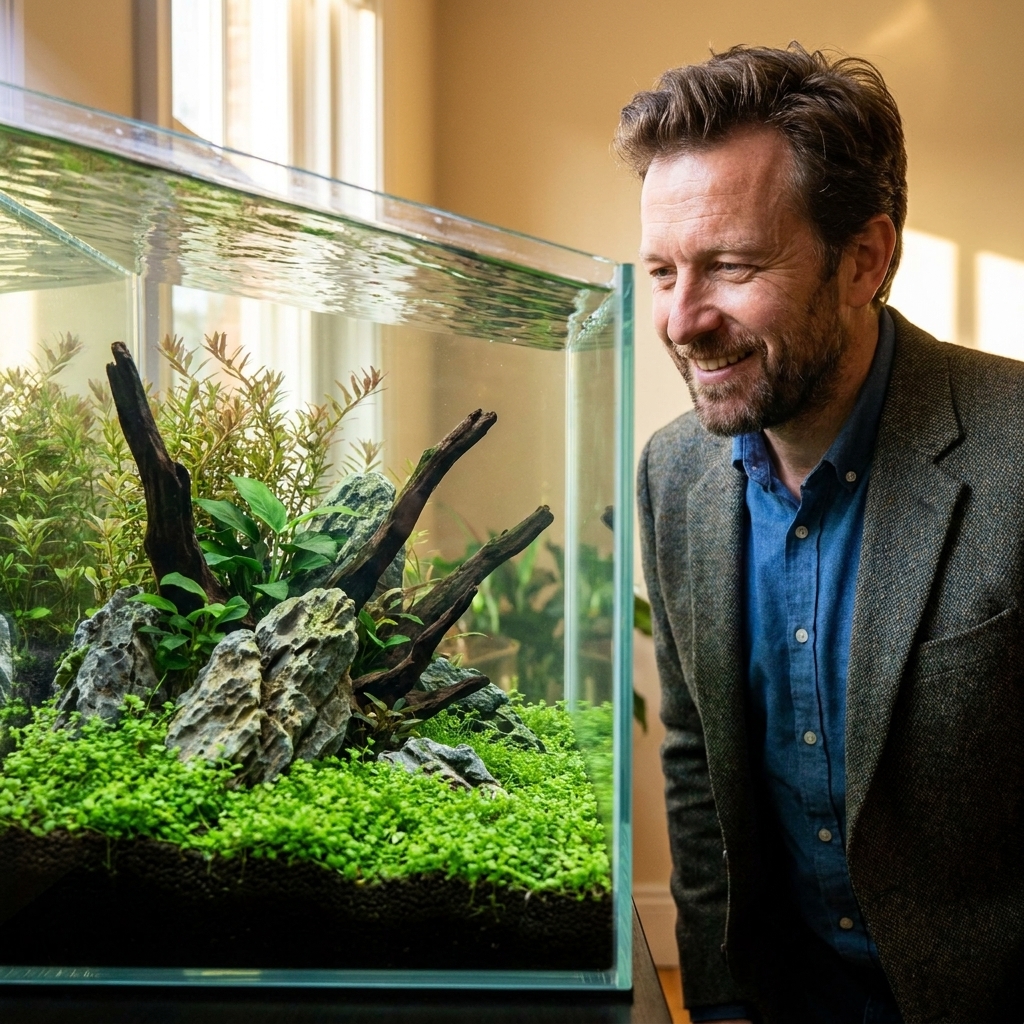
Active aqua soil is made for planted tanks and aquascapes. It is typically a baked or granulated soil-like substrate that adds nutrients and often buffers pH and KH downward, creating conditions many plants and shrimp love.
This is the substrate that can make a planted tank feel “easy” once it is established, but it can also surprise beginners because it is not inert. It is doing chemistry on purpose.
Pros
- Excellent for plant growth: Especially root feeders. You can get faster establishment and stronger roots compared to inert substrates.
- Great for shrimp and soft-water fish: Many active soils reduce KH and gently lower pH, which can benefit caridina shrimp setups and soft-water biotopes.
- Beautiful, natural aquascape look: The dark color makes fish colors pop and hides light debris better than sand.
Cons
- Parameter changes are real: Active soils can lower KH and pH. That is helpful for some tanks and stressful for others if you are not expecting it.
- Ammonia spikes are common early: Many soils leach ammonia at first. That means you must cycle properly and avoid rushing livestock.
- Granules break down over time: Eventually, active soil can soften and compact, especially if you gravel-vac aggressively. Most planted tanks are not deep-cleaned the same way as fish-only setups.
- More expensive: Upfront cost is higher than sand or gravel.
Active soil tips
- Plan your water: If your tap water is very hard and alkaline, active soil will fight it. You can still run it, but expect faster “exhaustion” of the buffering effect and more variable results.
- Cycle patiently: Test ammonia and nitrite like it is your job. If the soil leaches ammonia, you may see readings even without adding fish food.
- Do not deep vacuum: Spot-clean the surface gently. For planted tanks, you usually remove debris with a siphon hovered above the soil and rely on plant growth and filtration to handle the rest.
- Use a pre-filter sponge: Soil granules can get sucked into filters during setup and rescapes. A sponge saves your impeller and keeps water clearer.
Best for bottom fish
If your tank is built around bottom-dwellers, substrate choice is not just aesthetics. It is comfort and long-term health.
Corydoras
- Best: smooth sand
- Acceptable: rounded, smooth fine gravel (with excellent cleanliness)
- Avoid: sharp gravel
Cories are often blamed for “mysteriously losing barbels.” In my experience, the culprit is usually a combo of rough substrate and dirty conditions. Sand gives you a big safety margin.
Kuhli loaches and burrowers
- Best: sand, ideally with leaf litter and hiding places
- Watch out: coarse gravel that prevents burrowing behavior
Plecos and larger catfish
- Best: sand or smooth gravel
- Note: these fish produce heavy waste, so choose what you can clean consistently
Best for plants
Plants do not all feed the same way, so your plant list matters as much as your fish list.
Root feeders (crypts, swords, vallisneria)
- Best: active aqua soil
- Good: sand or gravel with root tabs
Water-column feeders (anubias, java fern, bucephalandra, most mosses)
- Best: any substrate, since they do not need it for nutrients
- Tip: attach to wood or rock, do not bury rhizomes
Carpeting plants (dwarf hairgrass, monte carlo)
- Best: active aqua soil, often with CO2 for best results
- Possible in: sand or gravel, but typically slower and more finicky
Mixing substrates
Mixing can be great, but only if you do it intentionally.
Good mixes
- Active soil capped with sand: Useful when you want plant nutrition but also want a sand surface for corydoras. Keep the cap thick enough to stay put, and accept that digging fish can expose soil over time.
- Gravel and sand zones: Sand “beach” areas look natural and can create a feeding zone for bottom fish.
Common problems
- Layer mixing over time: Fish digging, plant uprooting, and maintenance gradually blend layers. This is normal. Just decide if you can live with that look.
- Trapped debris at boundaries: Where grain sizes meet, waste can collect. Gentle siphoning along the border helps.
How much you need
A good general target:
- Community fish-only or light planting: 1 to 2 inches
- Heavily planted tanks: 2 to 3 inches, often sloped higher in the back for depth and root room
- Aquascapes: Varies widely, but stability for hardscape often matters as much as plant needs
More is not always better. Deep beds can be beautiful, but they require better circulation, more thoughtful planting, and gentler cleaning habits.
Chemistry gotchas
Two quick warnings that save people a lot of confusion:
- Some “sand” is not inert: Crushed coral, aragonite, and some marine-labeled sands will raise GH and KH. That can be useful for livebearers and African cichlids, but it is a headache in a soft-water planted tank.
- Active soil is designed to buffer: It can pull KH down and lower pH. If you keep fish that prefer harder water, or you rely on a stable KH for consistency, consider inert substrates instead.
If you are ever unsure, test your water (GH, KH, pH) before and after adding substrate, or soak a cup of it in a jar of tap water for a week and test the jar.
Maintenance by type
Sand
- Weekly: hover siphon to remove surface debris
- Occasionally: gently stir small areas with your fingers during water changes if compaction worries you, avoiding plant roots
Gravel
- Weekly or biweekly: gravel vacuum in sections
- Goal: remove trapped mulm without stripping the tank bare every time
Active soil
- Weekly: siphon lightly above the surface, prune plants, remove dead leaves
- Avoid: deep gravel-vac style cleaning that churns the soil and clouds the tank
No matter what you choose, consistency beats intensity. Most “substrate problems” are really “maintenance rhythm problems.”
My recommendations
Beginner community tank
Choose: smooth fine gravel.
You get easy cleaning, decent bacteria surface area, and you can add plants with root tabs without committing to the chemistry of active soil.
Corydoras tank
Choose: sand, with root tabs for any rooted plants.
If you want a planted look, lean into epiphytes like anubias and java fern, plus floating plants, and let the sand be the star.
Heavily planted aquascape
Choose: active aqua soil.
It is not magic, but it stacks the deck in your favor for strong plant growth and clean composition. Just respect the cycling period.
Shrimp breeding tank
Choose: depends on shrimp.
- Neocaridina (cherry shrimp): inert sand or gravel is often simplest and stable.
- Caridina (bee shrimp): active soil is commonly used to help maintain softer, more acidic conditions.
FAQ
Can I use play sand from a hardware store?
Sometimes, but it is inconsistent. The biggest issues are dust, unknown mineral content, and grain sharpness. If you do use it, rinse extremely well and monitor GH and KH after setup. For tanks with corydoras or loaches, I strongly prefer aquarium-labeled, smooth sand so you know what you are getting.
Will sand cause dangerous gas pockets?
In typical 1 to 2 inch sand beds with plants, snails, and regular maintenance, it is rarely a problem. Trouble comes from deep, compacted beds with no root activity and poor circulation. Keep the bed reasonable, avoid letting debris build up, and you will be fine.
Do I need nutrient substrate if I use liquid fertilizer?
Not always. Many tanks grow great plants with inert sand or gravel, root tabs for root feeders, and a balanced liquid fertilizer for the water column. Active soil just makes root nutrition easier and often improves early growth.
How long does active aqua soil last?
It depends on the brand, your water chemistry, and how you run the tank. Nutrient content and buffering effects generally fade over time, often over 1 to 3 years. Many planted tank keepers top up with root tabs later, or replace soil during a major rescape.
Bottom line
If your priority is bottom-dwelling fish comfort, pick sand. If you want simple, forgiving maintenance, pick gravel. If your dream is a lush planted aquascape and you are willing to respect the cycling and water chemistry, pick active aqua soil.
By weighing your tank size, livestock, plant list, and tap water chemistry, you can choose a substrate that looks right on day one and still feels easy to live with months down the line.