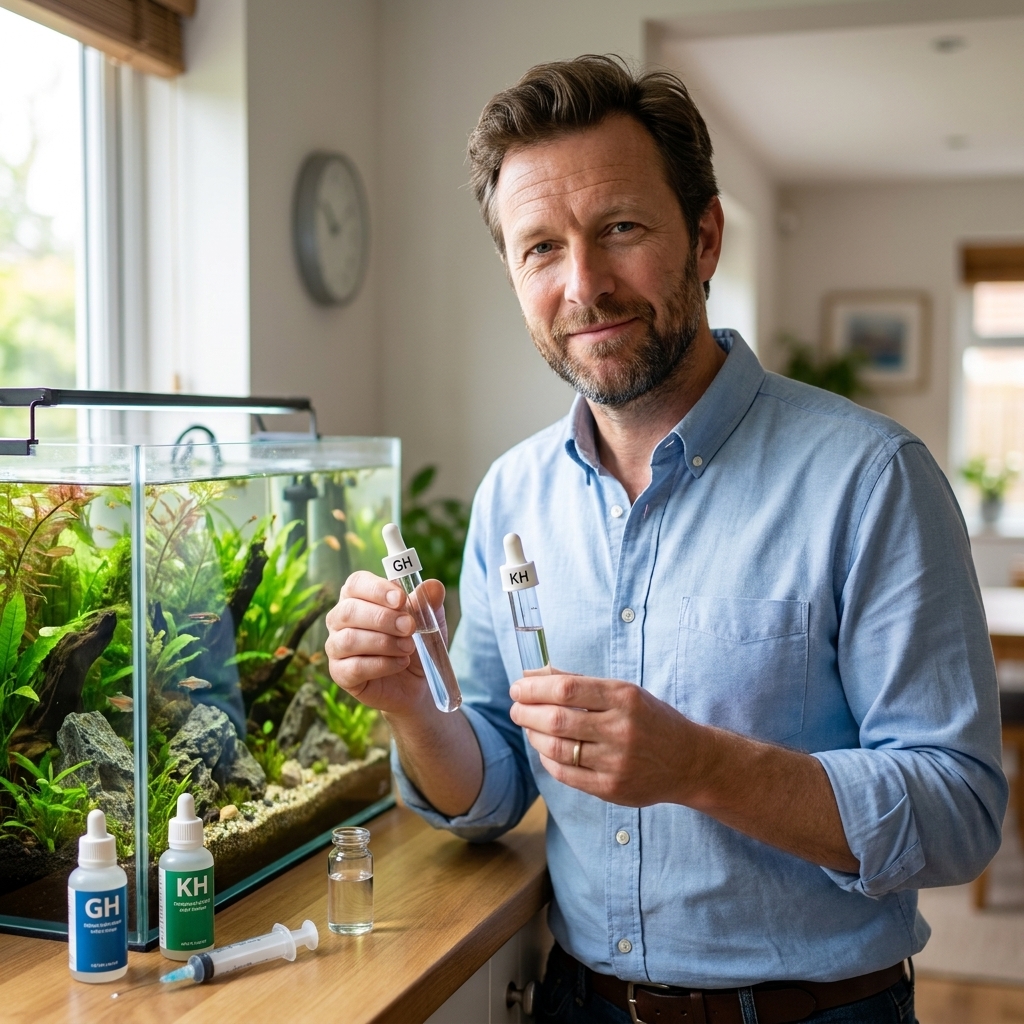
General hardness (GH) and carbonate hardness (KH) are two of the most misunderstood water parameters. Here is what they do, why they matter for fish health a...
Freshwater aquarium guidance
Best Freshwater Fish for Hard Water and High pH
Hard, alkaline tap water? Skip the chemical tweaking. These freshwater fish species naturally thrive in higher pH and GH, with stocking tips and care notes for stable, healthy tanks.

Written by
Oliver Bennett
Oliver Bennett is a lifelong aquarist with over 15 years of experience in freshwater tank setup, aquascaping, and fish health. Through TankRoot, he shares his passion for creating balanced underwater ecosystems, helping hobbyists of all levels build thriving, beautiful homes for their fish.
Published: October 17, 2026
•
Updated: October 17, 2026
If your tap water comes out hard and alkaline, you are not stuck with a “limited” aquarium. You are actually sitting on a very stable foundation. The mistake I see most often is hobbyists fighting their water with pH-down products and quick fixes, then wondering why fish look stressed or why parameters keep swinging. For most home aquariums, stable beats “perfect.”
This guide focuses on freshwater fish that are naturally built for hard, mineral-rich water (higher GH) and a higher pH, so you can keep a thriving tank without turning water chemistry into a second job.

What counts as hard water and high pH?
Most fish stores talk about pH, but in hard-water areas the bigger story is usually GH and KH:
- pH: Acidic is below 7.0, neutral is 7.0, alkaline is above 7.0. In many hard-water areas, “high pH” tap water is often around 7.6 to 8.4.
- GH (general hardness): A measure of calcium and magnesium, usually reported in dGH (degrees of general hardness). Hobbyists often call water “hard” around 8 to 12 dGH and “very hard” at 12+ dGH, but definitions vary by source.
- KH (carbonate hardness / alkalinity): The “buffer” that helps keep pH from crashing. Higher KH usually means a more stable, higher pH.
If your water company report shows high alkalinity or your GH/KH test reads high, you are in the right place.
Before you pick fish: a setup that keeps them healthy
1) Choose stability over chasing a number
Fish that like hard water usually do best when parameters do not bounce around. Avoid routine use of pH-adjusting chemicals. They can create sharp swings that stress fish, damage slime coats, and make disease more likely. If you do need to adjust anything, do it slowly, and acclimate fish carefully to your tank water rather than trying to “force” the tank to match a chart.
2) Use minerals intentionally
Hard-water tanks can pair well with:
- Crushed coral or aragonite in a filter bag (can raise KH and GH over time, depending on starting KH, pH, CO2, and contact time)
- Limestone-based rock and some decorative shells (can add buffering gradually)
- Hardy plants like vallisneria, anubias, java fern, and many swords (plenty tolerate harder water well)
If your tap is already hard and stable, you often do not need to add anything. Test first, then adjust only if there is a real problem to solve.
3) Keep nitrate and ammonia risk in check
Hard water does not protect fish from poor maintenance. Also, remember that at higher pH, a larger share of total ammonia exists in the more toxic NH3 form. That means when something goes wrong, fish can get into trouble faster. Lean into the basics: mature biofilter, sensible stocking, consistent water changes, and not overfeeding.
Best freshwater fish for hard water and high pH
Below are species that are consistently reliable in alkaline, mineral-rich tap water. I am listing typical ranges, but remember: your exact stability matters more than hitting a textbook target.
Livebearers (the hard-water MVPs)
Livebearers come from mineral-rich habitats and often look their best in harder water.
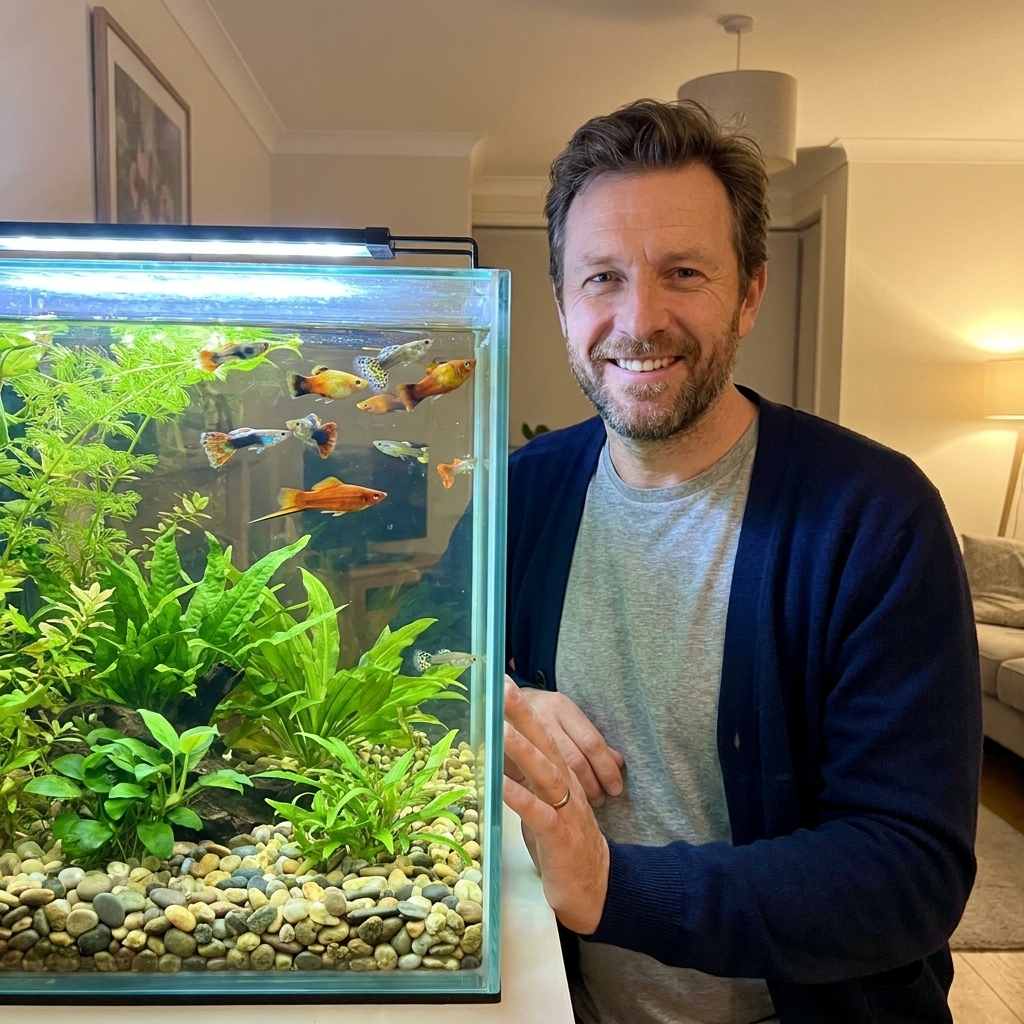
- Guppy (Poecilia reticulata)
Often kept at: pH ~7.2 to 8.2, medium-hard to hard water
Notes: Go easy on males-only “all guppy” tanks unless you are ready for occasional fin nipping. Provide plants for line-of-sight breaks. - Endler’s livebearer (Poecilia wingei)
Often kept at: pH ~7.0 to 8.2, medium-hard to hard
Notes: Smaller and often more peaceful than fancy guppies. Great in planted hard-water nanos. - Platy (Xiphophorus maculatus)
Often kept at: pH ~7.0 to 8.2, medium-hard to hard
Notes: One of the best “first fish” for hard water. Solid community temperament. - Swordtail (Xiphophorus hellerii)
Often kept at: pH ~7.0 to 8.3, medium-hard to hard
Notes: Active and larger than platies. Males can spar. Give them swimming room. - Molly (Poecilia sphenops and related)
Often kept at: pH ~7.5 to 8.5, hard water with decent KH
Notes: Mollies struggle in soft, acidic tanks but can thrive in hard, buffered water. Keep them warm, feed a veggie-leaning diet, and avoid cramped tanks.
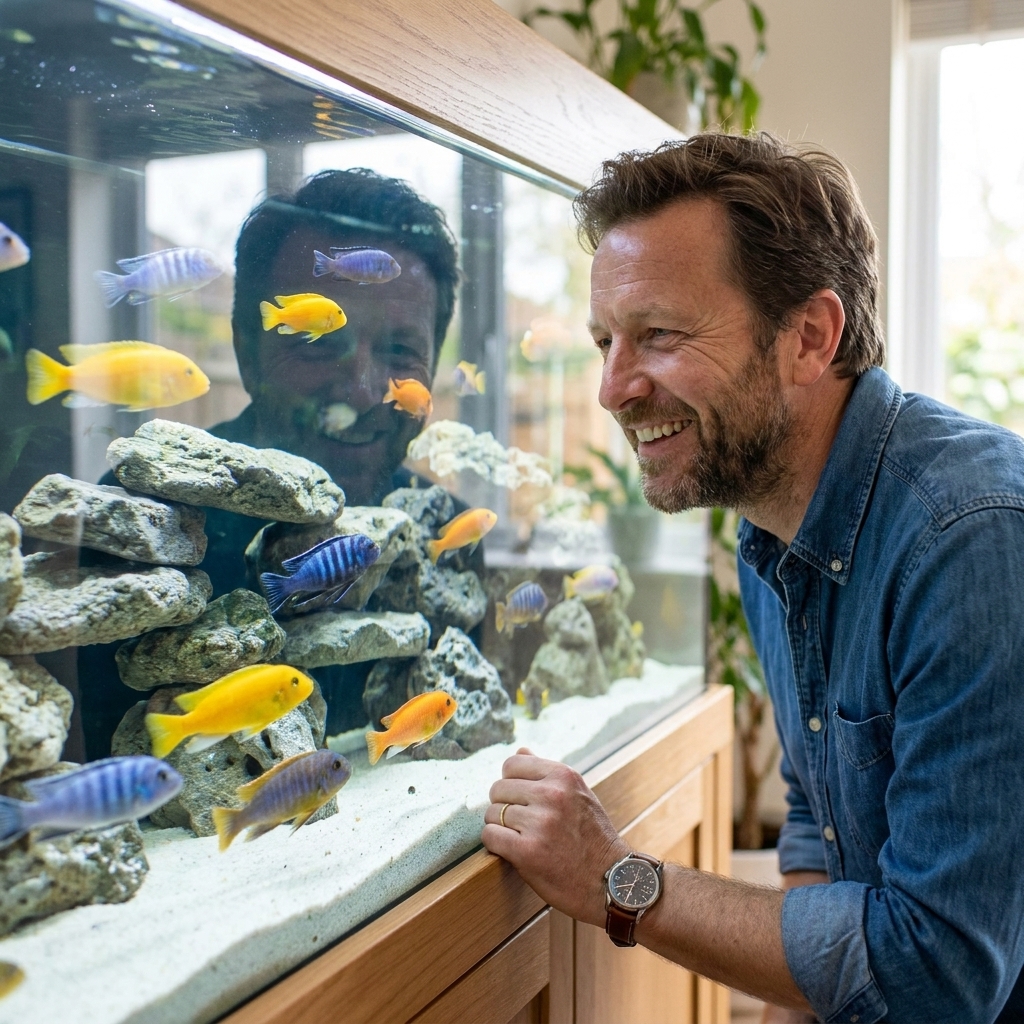
African cichlids (Rift Lake species)
If your tap runs hard and high pH, the African Rift Lake cichlids are the classic match. They are not “community fish” in the usual sense, but they are perfect for dedicated hard-water setups.
- Lake Malawi mbuna (various genera)
Often kept at: pH ~7.8 to 8.6, hard water, strong filtration
Notes: Rock-dwelling, territorial, and stunning. Overstocking is sometimes used to spread aggression, but it must be paired with heavy filtration and diligent maintenance. Diet matters here too. Many mbuna do best with high-fiber foods and relatively low animal protein. - Lake Tanganyika cichlids (shell dwellers like Neolamprologus multifasciatus, rock dwellers, etc.)
Often kept at: pH ~8.0 to 9.0, very hard, very stable
Notes: Tanganyikans are incredibly rewarding. Shell dwellers are a great option if you want cichlid behavior in a smaller footprint. - Peacock cichlids (Aulonocara)
Often kept at: pH ~7.8 to 8.6, hard water
Notes: Generally less aggressive than mbuna, but still cichlids. Best in species-leaning setups, not mixed “peaceful community” tanks.
Hard-water tip: Many Rift Lake tanks use sand, rock piles, and high oxygenation. Plants are optional and often get rearranged. Build the habitat around the fish you choose.
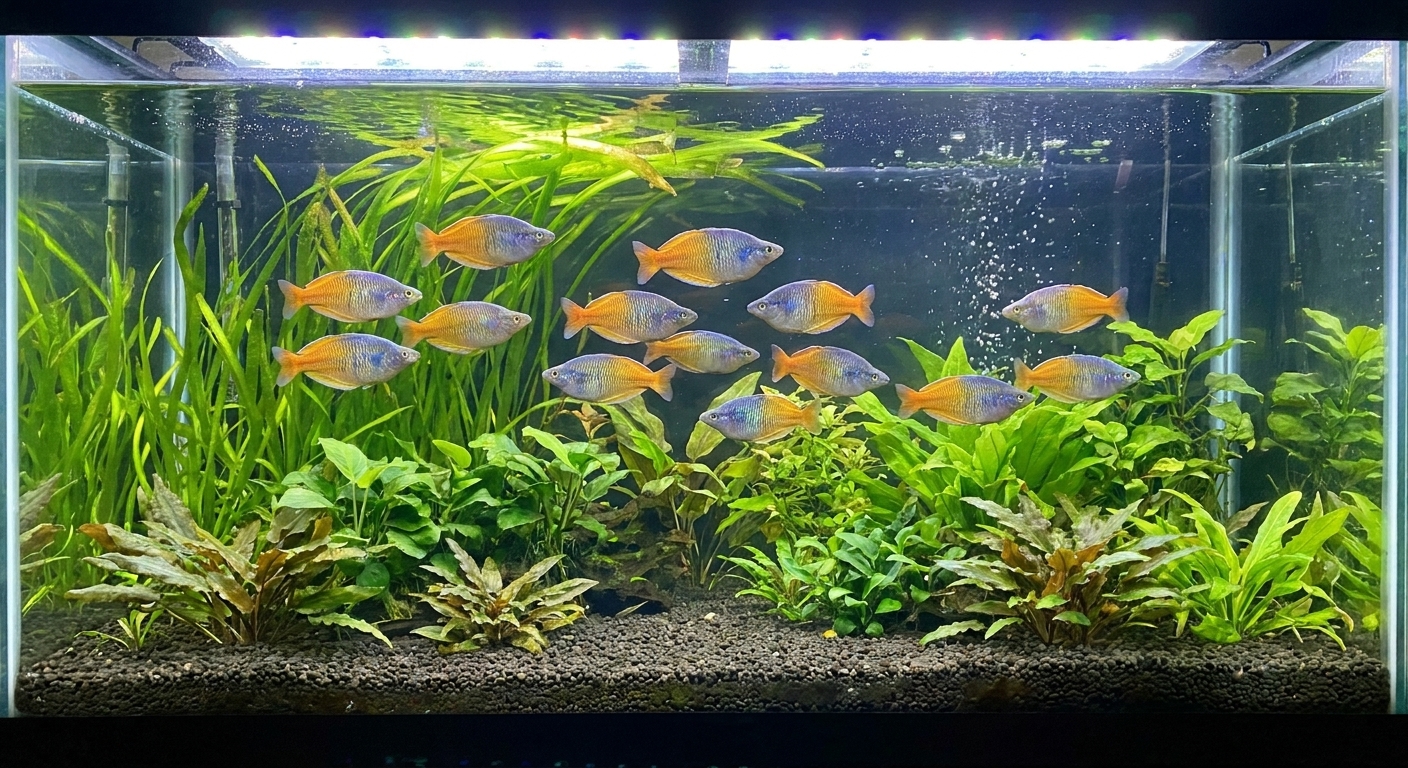
Rainbowfish (colorful, active, hard-water friendly)
Rainbowfish are a personal favorite when someone wants movement, color, and a true community feel in buffered water.
- Boesemani rainbowfish (Melanotaenia boesemani)
Often kept at: pH ~7.0 to 8.0, medium-hard to hard
Notes: Keep a group (6+). They are fast, confident eaters and do best in longer tanks with open swimming space. - Dwarf neon rainbowfish (Melanotaenia praecox)
Often kept at: pH ~6.8 to 7.8, medium-hard to hard
Notes: Great for medium tanks. Looks best in a planted layout with darker substrate. - Threadfin rainbowfish (Iriatherina werneri)
Best around: neutral to slightly alkaline water, moderate hardness
Notes: More delicate than other rainbows. They can do well in slightly alkaline tanks if conditions are stable and tankmates are gentle. Avoid fin nippers.
Rainbowfish appreciate clean water, steady temperatures, and a varied diet. In the right group, they are some of the most “alive” fish you can keep.
Hard-water community staples
Not every popular community fish is a hard-water fish, but a few common favorites handle alkaline, mineral-rich water very well. Just keep temperature needs in mind. Hard-water fish still vary a lot here, and mismatched temperatures are an easy way to create chronic stress.
- White cloud mountain minnow (Tanichthys albonubes)
Often kept at: pH ~7.0 to 8.0, moderate to hard
Notes: Cool-water fish. Great in unheated or lightly heated tanks. Keep in groups. - Zebra danio (Danio rerio)
Often kept at: pH ~7.0 to 8.0, moderate hardness
Notes: Hardy and active. Their energy can stress slower fish, so pair thoughtfully. - Cherry barb (Puntius titteya)
Often kept at: pH ~6.8 to 8.0, moderate hardness
Notes: Generally peaceful. Many do best close to neutral, but they can adapt well to mildly alkaline water when it is stable. Provide plants and keep a proper group to reduce shyness. - Rosy barb (Pethia conchonius)
Often kept at: pH ~7.0 to 8.0, moderate to hard
Notes: Better in cooler community setups. Can nip fins if understocked or bored.
Bottom dwellers (choose carefully)
Bottom fish are where hard-water keepers often get tripped up, because many classic catfish prefer softer, more acidic conditions. You still have options.
- Bristlenose pleco (Ancistrus sp.)
Often kept at: pH ~6.5 to 7.8 (many adapt into the low 8s if stable), moderate hardness
Notes: One of the most adaptable plecos. It benefits from having wood in the tank and still needs real feeding, not just algae. - Hillstream loach (Sewellia lineolata and related)
Often kept at: pH ~7.0 to 8.0, oxygen-rich water, moderate hardness
Notes: Not a “set and forget” fish, but they can do very well in alkaline tanks if you provide strong flow, high oxygen, and cool to mid temperatures. - Malaysian trumpet snail (Melanoides tuberculata)
Ideal: Hard, alkaline water is excellent for shell health
Notes: Not a fish, but a genuinely useful hard-water cleanup crew if you do not overfeed. - Nerite snail (Neritina, Vittina spp.)
Ideal: pH 7.5+, harder water helps prevent shell pitting
Notes: Fantastic algae grazers. Their eggs typically will not hatch in freshwater aquariums, so they are not invasive in most home tanks.
A quick word on corydoras: Many cory species can live in moderately hard water, but they usually thrive long-term in softer conditions. If your pH is 8.2+ and GH is very high, I typically steer new keepers toward bristlenose plecos, hillstream loaches (in the right tank), or snails instead.
Easy hard-water stocking ideas
Option 1: Classic livebearer community
- Platies or guppies (pick one as the “main” fish)
- A group of white clouds or danios (if temperature matches)
- Nerite snails for algae control
This is a forgiving setup in hard tap water. The biggest challenge is managing baby fish if you keep males and females together.
Option 2: Rainbowfish show tank
- 6 to 10 rainbowfish (species depends on tank size)
- A calm midwater companion group if space allows
- Bristlenose pleco or nerites for cleanup
Give them length to swim and keep nitrates reasonable. Rainbowfish reward good husbandry with color that looks almost unreal.
Option 3: Rift Lake cichlid habitat
- Malawi mbuna or Tanganyika shell dwellers, not both unless you are experienced
- Sand and rock or shells, lots of hiding places
- Strong filtration and high oxygenation
This route is less “mixed community” and more species-driven. If you like behavior as much as color, it is hard to beat.
Common mistakes to avoid
- Using pH-down products as routine maintenance. You want stability, not a weekly swing.
- Buying soft-water fish because the label says “hardy.” Many tetras, wild-type discus, and some sensitive catfish can survive for a while in hard alkaline water, but they often never truly thrive.
- Ignoring GH and KH. pH is only part of the story. GH and KH explain why your pH behaves the way it does.
- Mixing incompatible “hard-water” groups. African cichlids and livebearers both tolerate alkaline water, but temperament, diet, and tank layout needs can clash.
- Changing parameters too fast. Even “good” parameters become a problem if you swing them quickly. When in doubt, keep it steady and acclimate slowly.
FAQ
Is hard water bad for freshwater fish?
Hard water is not “bad.” It is simply different. Many fish are adapted to it and often do better in stable hard water than in artificially altered water that swings.
What pH is too high for a community tank?
Many hard-water community fish do well around pH 7.6 to 8.2 if the tank is stable. Once you get into the mid-to-high 8s, your best matches are usually Rift Lake species and other fish known for very alkaline habitats.
Do I need to add crushed coral if my tap water is already hard?
Not necessarily. If your KH is already strong and your pH is stable between water changes, adding buffering media can push parameters higher than you want or do very little. Test your KH over a week or two, especially before and after a water change, then decide.
Can I keep neon tetras in hard, high pH water?
They may survive, but they are not an ideal match long-term in very hard, alkaline water. If you want a similar “schooling sparkle” for hard water, look at white clouds or rainbowfish depending on your tank size and temperature.
The simplest win: pick fish that match your tap
I learned this lesson the hard way, with fish that never quite looked “right” until I stopped fighting my local water. If you have hard, alkaline tap water, lean into it. Stock for it. Build the habitat for it. The result is a tank that stays stable, fish that act natural, and a hobby that feels calming instead of constantly corrective.
For best results, measure pH, GH, and KH at the tap and again in the aquarium before and after a water change. Those numbers, plus your tank temperature, will tell you which of the fish above are a natural fit and which ones are better left for softer-water setups.